Why 8,000mAh Phones Are Suddenly Everywhere in 2026
Quick Highlights
The Quiet Battery Revolution in Smartphones
Two years ago, a 5,000mAh battery was considered large. It was the practical limit for slim smartphones without making them heavier or uncomfortable.
In 2026, that limit no longer exists.
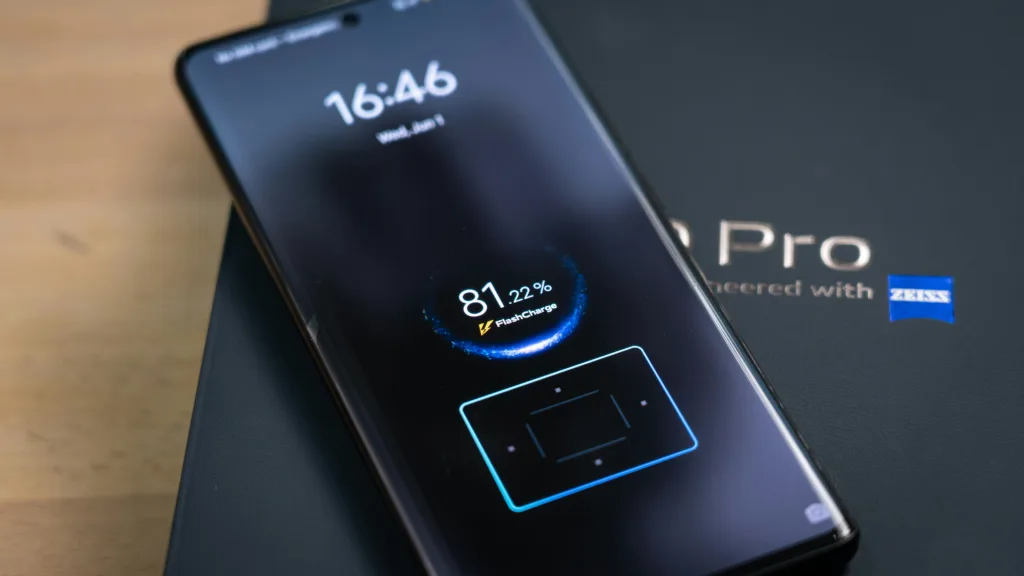
Phones now regularly ship with 7,000mAh to 9,000mAh batteries, especially in India’s mid-range segment. This shift didn’t happen overnight — it became possible only after major improvements in battery engineering, especially silicon-carbon chemistry, which we previously explained in our silicon-carbon battery vs lithium-ion comparison.
The key breakthrough is simple but powerful: silicon-carbon anodes store more energy in the same physical space compared to graphite. That allows manufacturers to increase capacity without increasing phone thickness or weight.
Why India Is Driving the Entire Trend
India has quietly become the most important battery-driven smartphone market in the world.
Unlike Western markets where camera or ecosystem matters more, Indian users consistently prioritise battery life above everything else. This includes long commuting hours, heavy mobile data usage, and inconsistent charging access in some regions.
Because of this demand, brands like Xiaomi, Realme, vivo, and OnePlus aggressively pushed battery sizes upward across mid-range devices.
This is also why devices that would have been considered “flagship battery phones” a few years ago are now appearing under ₹20,000 in India.
The Engineering Breakthrough Behind Big Batteries
The rise of 8,000mAh phones is not just marketing — it is a structural change in battery design.
Silicon-carbon batteries allow higher energy density without increasing volume. That means manufacturers can pack significantly more capacity into the same internal space.
However, battery size alone doesn’t define performance. As explained in our guide on how to stop thermal throttling on Android and iPhone (2026), sustained performance depends heavily on heat control and efficiency management, especially in high-capacity devices.
This is why modern large-battery phones also rely on improved cooling systems and software optimisation to maintain consistent performance.
Why mAh Numbers Can Be Misleading
A common misconception is that higher mAh always equals better battery life. That is not true.
Real battery performance depends on three major factors working together:
Battery capacity determines how much energy is stored, but display efficiency can significantly impact drain rates. High refresh rate AMOLED panels consume more power than older 60Hz screens, especially under heavy use. Chipset efficiency also plays a major role, which is why two phones with identical battery sizes can deliver completely different screen-on times.
This is where optimisation becomes more important than raw numbers.
What 8,000–9,000mAh Phones Deliver in Real Life
In real-world usage, the difference is noticeable immediately.
A typical 5,000mAh phone delivers a full day of moderate usage. A 7,000mAh device comfortably stretches beyond a day. But modern 8,000mAh and 9,000mAh phones now commonly last up to two full days under realistic conditions.
For users who rely heavily on mobile data, gaming, or travel frequently, this changes how charging habits work entirely.
It also reduces dependency on fast charging cycles, which we explained in detail in fast charging vs slow charging and what actually damages your battery, especially in high-heat environments.
Why Apple and Samsung Are Not Matching This Yet
Not every manufacturer is moving at the same speed.
Apple and Samsung still prioritise balanced design — focusing on thermal stability, device thickness, and long-term battery consistency rather than raw capacity increases.
In contrast, Chinese manufacturers dominate the silicon-carbon transition because they are targeting battery-first markets like India and Southeast Asia, where endurance matters more than slimness or ecosystem integration.
This has created a visible global gap in smartphone battery sizes in 2026.
Will Batteries Keep Getting Bigger?
The industry is approaching a natural physical limit.
Most experts agree that around 10,000mAh is the realistic ceiling for smartphones before devices become too heavy or thick for comfortable everyday use.
After that, innovation will shift toward faster charging, better efficiency, and improved battery health rather than simply increasing capacity.
The next real leap will depend on solid-state battery technology, which is still several years away from mass adoption.
According to battery engineering analysis published by independent materials research reports and covered by major tech publications like Android Authority, silicon-carbon anodes represent a significant evolution of lithium-ion design rather than a completely new battery chemistry.
⚡ TechularZtrix Scan
📌 Bottom Line: 8,000mAh phones are becoming standard in 2026 because silicon-carbon battery technology finally removed the physical limits of traditional lithium-ion design.
🎯 Best For: Users who prioritise long battery life over slim phone design.
🏆 Biggest Win: Massive endurance improvement without significantly increasing phone size.
⚠️ Biggest Compromise: Heat management and optimisation now matter more than raw capacity alone.
📈 Why It Matters: Battery life has become one of the strongest competitive factors in smartphone design, especially in India’s mid-range market.
📱 Works On: Most modern Android smartphones adopting silicon-carbon battery technology across brands like OnePlus, Xiaomi, vivo, Realme, OPPO, and Honor.