Best Free AI Tools for Students in 2026 (No Signup Needed for Most)
Quick Highlights – AI Tools for Students
Artificial intelligence has become part of daily student life in 2026, but most students still use it inefficiently.
Many people search for the single “best AI tool” and expect it to handle everything from research and note-taking to coding and exam preparation. In reality, the students getting the most value from AI are using multiple specialised tools together, with each one handling a different part of their workflow.
The biggest productivity gains do not come from finding one perfect platform. They come from understanding which tool is best for a specific task and building a study system around it.
Just as modern optimization strategies combine multiple techniques to improve performance in guides like How to Stop Background Apps on Android Permanently (2026 Method), successful students are now combining multiple AI tools instead of depending on a single chatbot.
NotebookLM: The Best AI Tool for Studying Your Own Notes
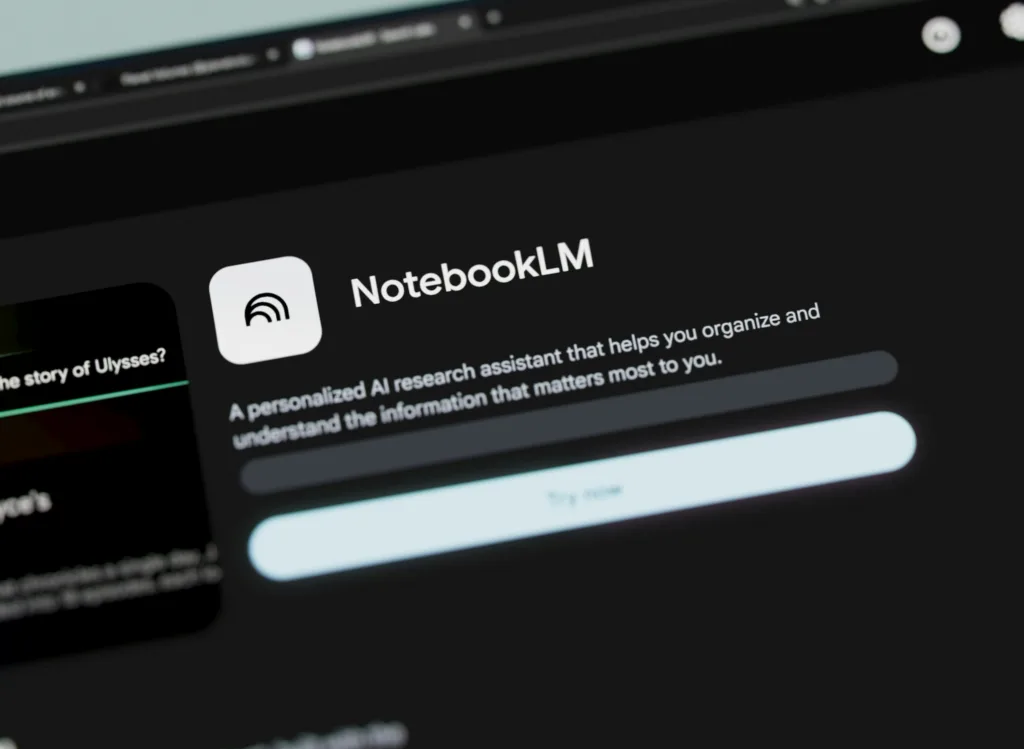
NotebookLM is arguably the most underrated AI tool available to students right now.
Unlike traditional AI chatbots that pull information from general internet knowledge, NotebookLM focuses exclusively on the documents you upload. Students can add lecture notes, PDFs, research papers, textbooks, class presentations, and study guides.
The result is an AI assistant that understands your actual course material rather than the internet’s version of it.
This creates a major advantage during exam preparation because responses stay grounded in your own content.
NotebookLM is particularly useful for:
- Summarising large lecture notes
- Creating revision guides
- Generating practice questions
- Explaining difficult sections of uploaded material
- Preparing for exams from a specific syllabus
For students who regularly work with PDFs and lecture slides, NotebookLM may provide more practical value than general-purpose AI tools.
Perplexity AI: Best for Research and Source Discovery
Research is one area where many AI tools still struggle.
Perplexity AI approaches the problem differently by attaching sources directly to its answers.
Instead of simply generating information, it helps students discover where information originated. This makes it useful for essays, reports, presentations, and research assignments where verification matters.
Students can use Perplexity to quickly understand a topic and then follow source links to gather stronger evidence for their work.
It works especially well for:
- Academic research
- Finding credible sources
- Current affairs projects
- Topic exploration
- Research-heavy assignments
Perplexity should still be treated as a research assistant rather than a final authority, but it dramatically reduces the time needed to find relevant material.
Wolfram Alpha: Still the King of STEM Education
While many AI chatbots can solve equations, Wolfram Alpha remains one of the strongest tools available for STEM students.
Its biggest strength is showing how answers are calculated rather than simply displaying a final result.
For students learning mathematics, science, and engineering concepts, understanding the process is often more important than seeing the answer.
Wolfram Alpha remains extremely useful for:
- Algebra
- Calculus
- Physics
- Chemistry
- Statistics
- Engineering calculations
Even after years of AI development, very few free tools can match Wolfram Alpha’s depth when it comes to structured technical problem-solving.
ChatGPT: The Most Flexible Learning Assistant
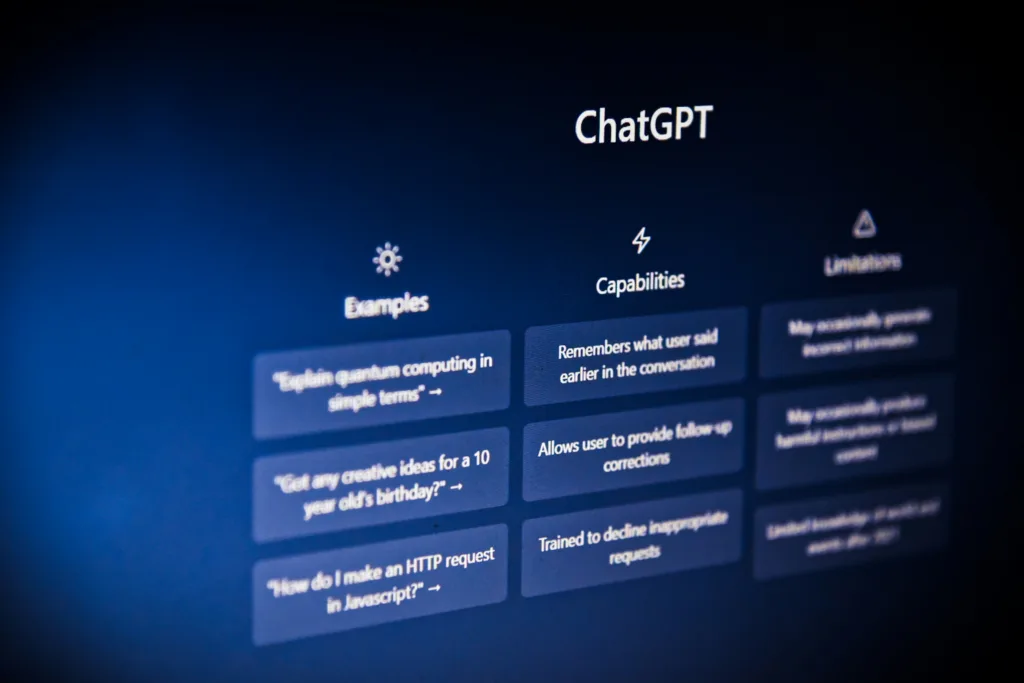
ChatGPT remains one of the most versatile tools available to students.
Its greatest strength is not necessarily factual research but explanation.
Students frequently use ChatGPT when textbooks become confusing or when they need concepts explained in simpler language.
Common uses include:
- Breaking down difficult concepts
- Creating study outlines
- Generating revision plans
- Brainstorming assignment ideas
- Understanding unfamiliar topics
- Explaining subjects in beginner-friendly language
Rather than replacing learning, ChatGPT often works best when used to improve understanding.
Gemini: Strong for Real-Time Information
Google’s Gemini has become increasingly useful for students because of its connection to Google’s ecosystem and real-time information retrieval capabilities.
When students need current information, recent developments, or fresh web-based answers, Gemini often performs particularly well.
It is useful for:
- Current events research
- Recent industry developments
- Fact verification
- Product comparisons
- Web-based information gathering
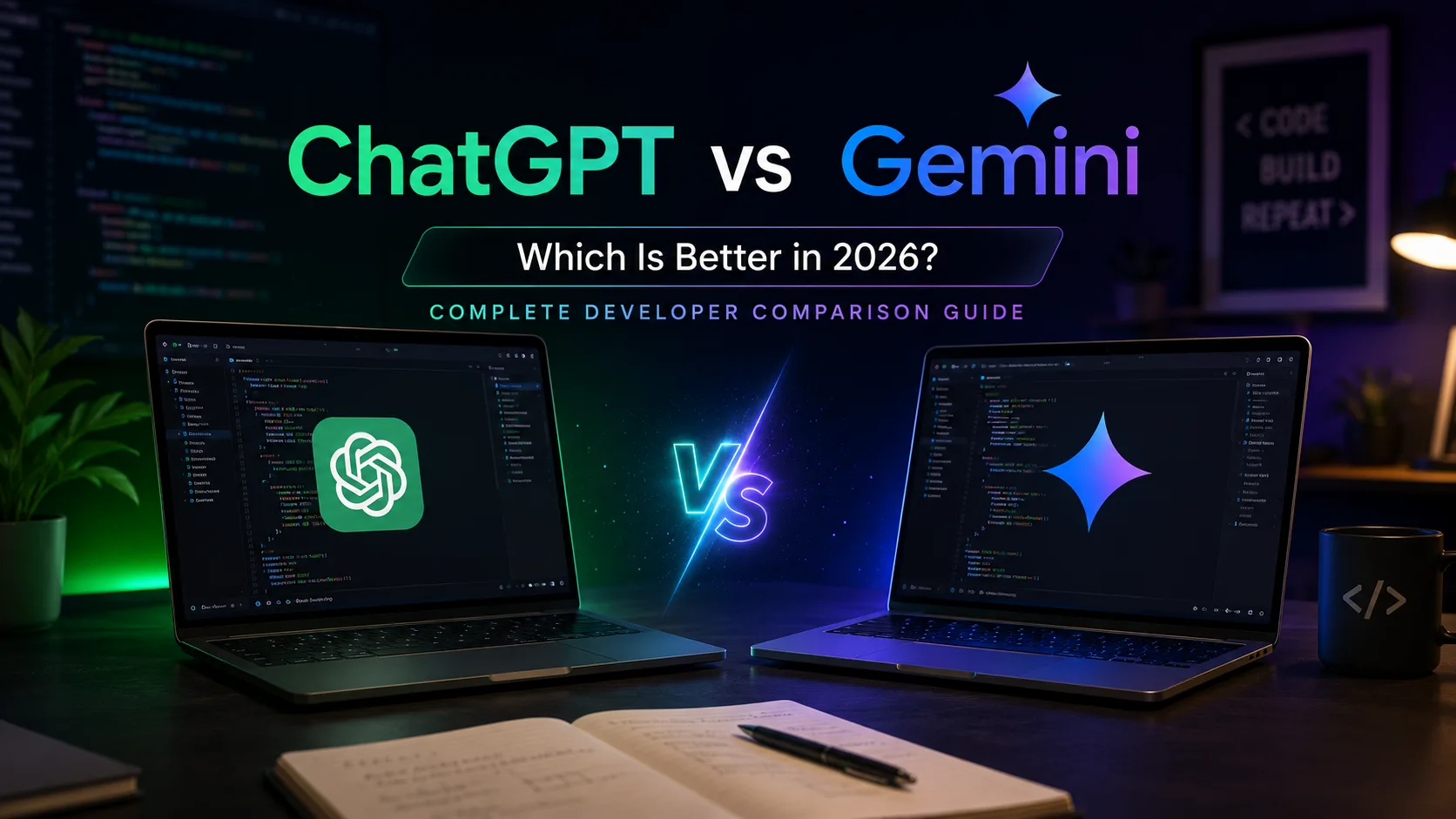
Many students now use ChatGPT and Gemini together, allowing one tool to focus on explanation while the other focuses on information discovery.
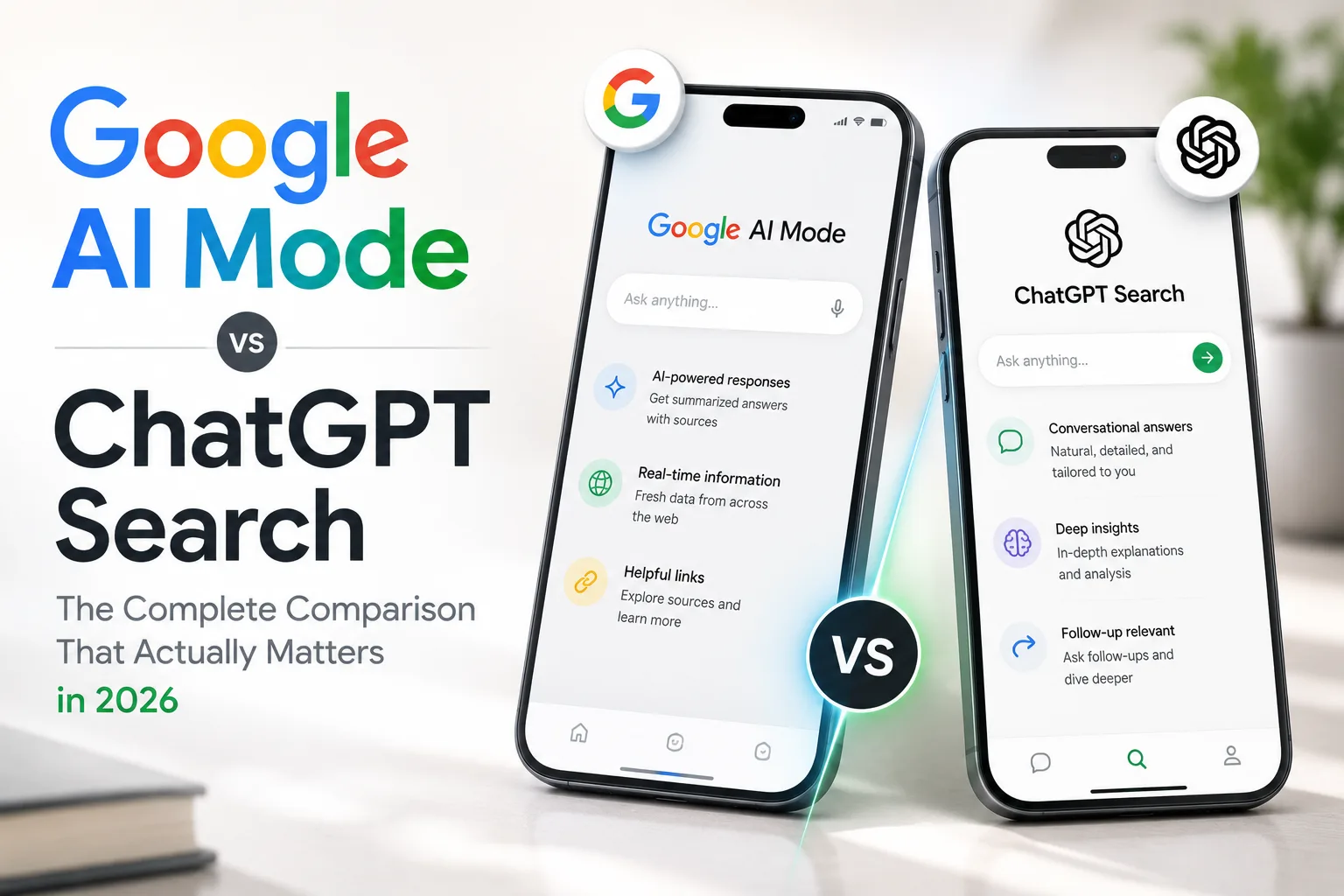
Students interested in the broader evolution of AI-powered search may also find Google AI Mode vs ChatGPT Search: The Complete Comparison That Actually Matters in 2026 useful for understanding how these systems differ.
Quizlet: Still One of the Best Memorisation Tools
Flashcards continue to work because human memory still works the same way.
Quizlet remains one of the easiest ways to create structured revision systems using spaced repetition.
The platform now allows students to generate study material more quickly from their notes while still supporting traditional flashcard learning methods.
Quizlet is particularly effective for:
- Language learning
- Medical studies
- History revision
- Law terminology
- Vocabulary building
- Fact-heavy exams
For subjects that require memorisation, Quizlet remains one of the most practical free tools available.
GitHub Copilot: A Major Advantage for Coding Students
Programming students have arguably benefited from AI more than any other academic group.
GitHub Copilot integrates directly into coding environments and helps students learn while writing code.
Verified students can access Copilot benefits through GitHub’s Student Developer Pack, making it one of the most valuable educational tools available for software development learners.
GitHub Copilot helps with:
- Code suggestions
- Debugging support
- Syntax assistance
- Learning programming concepts
- Understanding error messages
- Improving coding speed
While it should never replace learning fundamentals, it can significantly reduce frustration during the learning process.
Grammarly: The Final Quality-Control Layer
Even the best ideas can lose marks if the writing is unclear.
Grammarly remains a popular proofreading solution because it focuses on refining work rather than creating it.
Students commonly use Grammarly for:
- Grammar correction
- Readability improvements
- Sentence clarity
- Tone consistency
- Final proofreading
Think of Grammarly as the final editing pass before submission rather than a writing assistant.
How Students Should Actually Use AI
The most successful students are not using AI to complete assignments for them.
Instead, they use AI to remove repetitive work and free up more time for actual learning.
A practical workflow might look like this:
NotebookLM → Understand course material
Perplexity → Research and discover sources
ChatGPT or Gemini → Clarify concepts
Wolfram Alpha → Solve technical problems
Quizlet → Memorise information
Grammarly → Final proofreading
Used together, these tools create a complete study ecosystem without requiring expensive subscriptions.
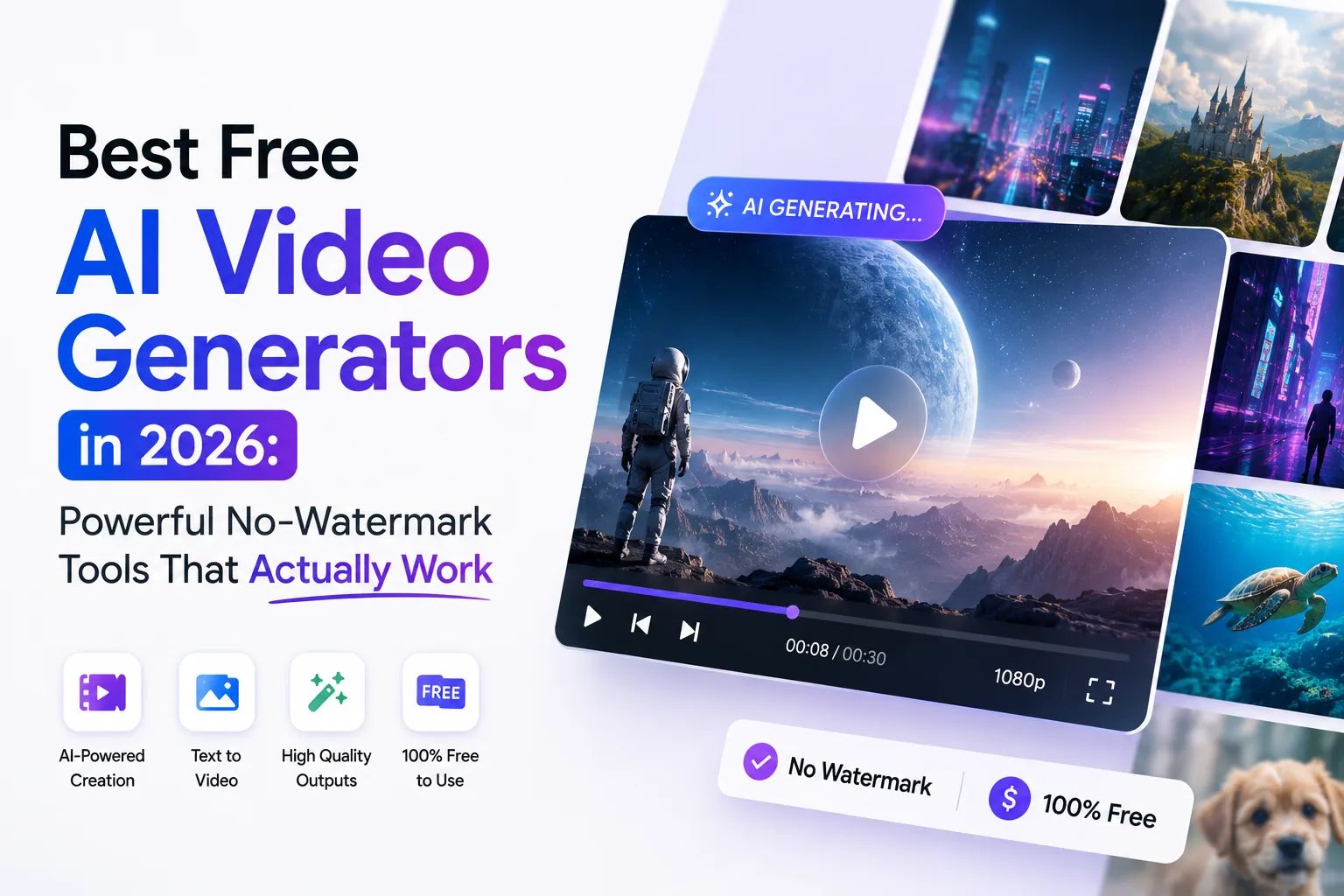
Students exploring AI-powered creativity alongside academic work may also be interested in Best Free AI Video Generators in 2026: Powerful No-Watermark Tools That Actually Work, which highlights how AI is transforming content creation beyond education.
⚡ TechularZtrix Scan
📌 Bottom Line: The best free AI tools for students in 2026 are not competitors. They work best when combined into a structured workflow where each tool handles a specific task.
🎯 Best For: School students, university learners, researchers, programmers, and anyone looking to improve productivity without paying for premium AI subscriptions.
🏆 Biggest Win: Students now have access to powerful AI systems that can assist with studying, research, coding, revision, and organisation entirely through free plans and student programs.
⚠️ Biggest Compromise: AI can speed up learning, but it cannot replace genuine understanding. Students who rely entirely on AI often perform worse than those who use it as a support tool.
📈 Why It Matters: AI is rapidly becoming part of mainstream education. Knowing which tool to use and when to use it is becoming a valuable academic skill in its own right.
🔍 What Happens Next: Expect tighter integration between AI assistants, note-taking systems, educational platforms, and productivity tools as AI becomes increasingly embedded into student workflows over the next few years.