Nothing Phone (4a) vs Nothing Phone (4a) Pro: Which One Should You Buy?
Value vs. Power: Defining the ₹8,000 Price Gap
The Nothing Phone (4a) vs Nothing Phone (4a) Pro India launch marks a major expansion of Nothing’s 2026 mid-range lineup, forcing buyers to choose between transparent heritage and metal-clad power.
At first glance, the two phones appear very similar. Both feature Nothing’s signature transparent design, AMOLED displays, and the latest version of Nothing OS. But once you look closer at the 5,400mAh India-specific battery and the ₹8,000 price gap, the differences start to become clear.
The Pro model introduces a brighter display, a faster processor, and a more advanced zoom system, while the standard Phone (4a) focuses on delivering the core Nothing experience at a more accessible price.
For buyers trying to decide between the two, the real question is simple: are the Pro upgrades worth the extra cost? In this deep-dive comparison, we break down the hardware gaps to help you decide which 2026 ‘a’ series device is your perfect match.
VS
Quick Comparison Snapshot: Nothing Phone (4a) vs Nothing Phone (4a) Pro
| Feature | Nothing Phone (4a) | Nothing Phone (4a) Pro |
|---|---|---|
| Display | 6.78-inch AMOLED | 6.83-inch AMOLED |
| Refresh Rate | 120Hz | 144Hz |
| Peak Brightness | 4500 nits | 5000 nits |
| Processor | Snapdragon 7s Gen 4 | Snapdragon 7 Gen 4 |
| RAM | LPDDR4X | LPDDR5X |
| Main Camera | 50MP | 50MP |
| Telephoto | 3.5× optical zoom | 3.5× optical zoom |
| Maximum Zoom | 70× | 140× |
| Battery | 5080mAh (5400 India) | 5080mAh (5400 India) |
| Charging | 50W | 50W |
| Starting Price | ₹31,999 | ₹39,999 |
On paper, the Pro version clearly pushes further in areas like display performance, processing power, and zoom photography.
Design and Build Quality
Design has always been one of Nothing’s defining strengths, and both phones continue that philosophy.
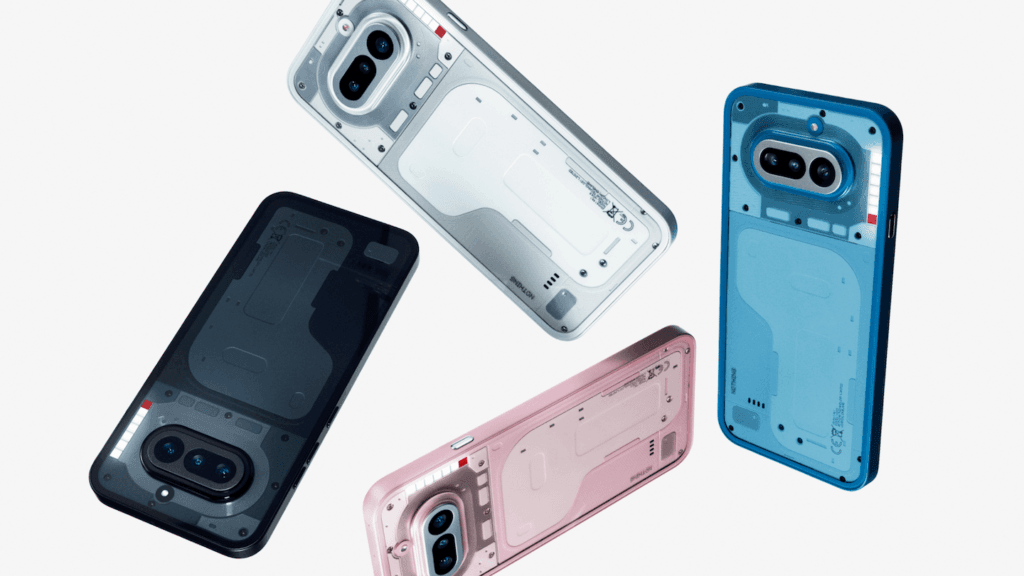
The Phone (4a) sticks with the familiar transparent design, exposing internal elements beneath the rear glass panel. It also introduces the new Glyph Bar, a lighting strip made up of small LEDs that display notifications and alerts without needing to wake the screen.
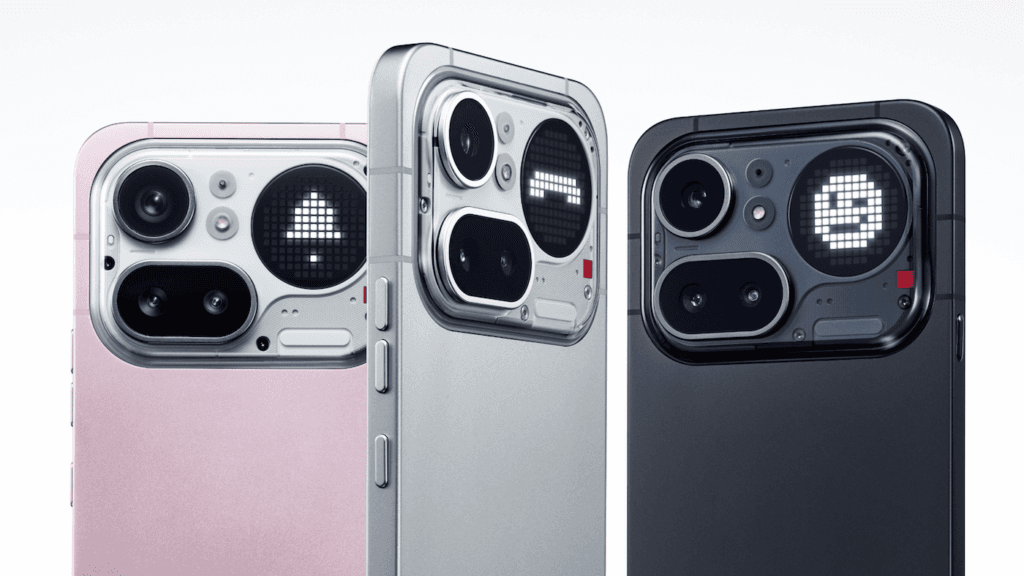
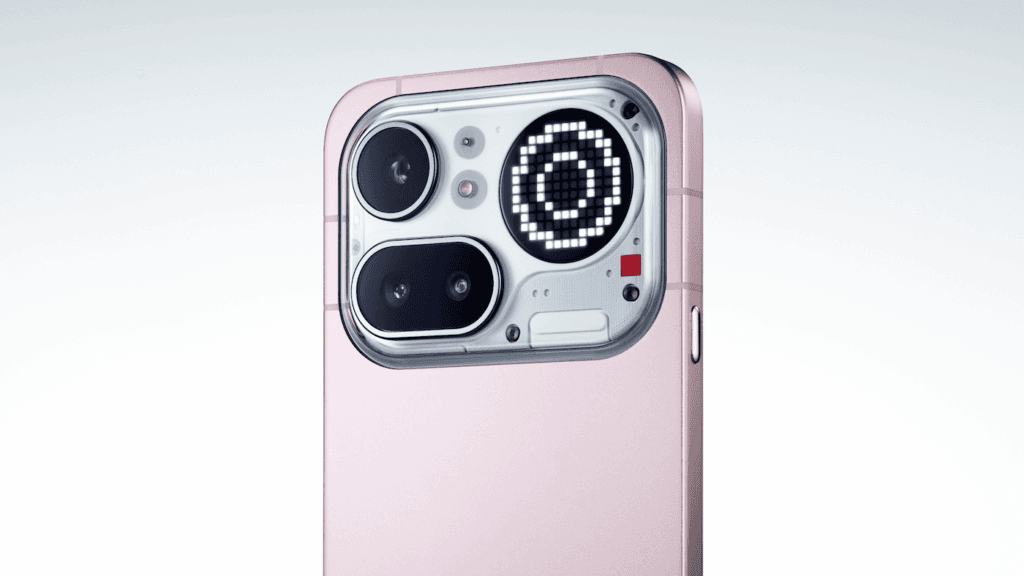
The Phone (4a) Pro, however, takes a slightly more premium direction. It replaces the standard frame with a full-metal unibody construction and upgrades the lighting system to the more advanced Glyph Matrix, which allows for more detailed animations and notification patterns.
If you want a closer look at the hardware and design changes, you can explore our full breakdown in the Nothing Phone (4a) Pro launch article.
Design Verdict
- unique transparent aesthetic – Phone (4a)
- more premium materials and refined build – Phone (4a) Pro
Display and Visual Experience
Both phones feature large AMOLED displays designed for media consumption, gaming, and everyday scrolling.
The Phone (4a) uses a 6.78-inch AMOLED panel with a 120Hz adaptive refresh rate and peak brightness reaching 4500 nits.
The Phone (4a) Pro pushes the display further with a 6.83-inch panel, a faster 144Hz refresh rate, and up to 5000 nits of peak brightness.
In daily use, the difference is most noticeable when gaming or scrolling through content quickly, where the higher refresh rate on the Pro model feels slightly smoother.
Display Verdict
- Best smoothness and brightness – Phone (4a) Pro
- Still excellent for everyday use – Phone (4a)
Performance and Hardware
Performance is another area where the Pro model separates itself.
The Phone (4a) runs on the Snapdragon 7s Gen 4, paired with LPDDR4X RAM and UFS 3.1 storage. For everyday tasks like social media, streaming, and moderate gaming, this hardware performs comfortably.
The Phone (4a) Pro, on the other hand, uses the more powerful Snapdragon 7 Gen 4 along with faster LPDDR5X memory. This combination delivers noticeably better performance in demanding apps and heavier multitasking.
According to official chipset documentation from Qualcomm, the Snapdragon 7 Gen 4 platform introduces improved AI processing and more efficient GPU performance compared to earlier mid-range chips.
Performance Verdict
- Everyday users – Phone (4a)
- Power users and gamers – Phone (4a) Pro
Camera Systems
Both phones feature a triple-camera setup with a periscope telephoto lens, which is still rare in the mid-range category.
| Camera | Phone (4a) | Phone (4a) Pro |
|---|---|---|
| Main Camera | 50MP | 50MP |
| Periscope Zoom | 3.5× optical | 3.5× optical |
| Max Zoom | up to 70× | up to 140× |
| Ultra-Wide | 120° | 120° |
The biggest difference lies in zoom performance. The Pro model can push digital zoom much further while maintaining better image clarity.
The Pro also benefits from slightly more advanced image processing, though both phones rely on Nothing’s TrueLens Engine 4 for computational photography.
For a deeper look at the camera system and photography features, our detailed Nothing Phone (4a) review article explains how the standard model performs in everyday photography.
Camera Verdict
- Best zoom photography – Phone (4a) Pro
- Strong everyday camera – Phone (4a)
Battery Life and Charging
Battery capacity remains largely identical across both models.
Each phone includes a 5080mAh battery globally, while the India variant increases to 5400mAh.
Both devices support:
- 50W wired fast charging
- 7.5W reverse wired charging
In real-world use, battery endurance should be very similar since both phones rely on efficient mid-range processors.
Software Experience
Both devices run Nothing OS 4.1 based on Android 16, offering the same software features and update policy.
Users receive:
- 3 years of Android updates
- 6 years of security patches
Nothing OS focuses on minimal design, smooth animations, and deep integration with the company’s lighting features.
Price Comparison
Both phones are available in three storage configurations. The table below compares equivalent variants across the Nothing Phone (4a) and Nothing Phone (4a) Pro lineup.
| Phone (4a) | Phone (4a) Pro | [4a + 4a pro] Price (India) |
|---|---|---|
| 8GB + 128GB | 8GB + 128GB | ₹31,999 / ₹39,999 |
| 8GB + 256GB | 8GB + 256GB | ₹34,999 / ₹42,999 |
| 12GB + 256GB | 12GB + 256GB | ₹37,999 / ₹45,999 |
The difference between the two phones starts at about ₹8,000, which mainly covers the upgraded processor, brighter display, and improved zoom capabilities.
Real-World Buying Guide
| If you want… | Choose |
|---|---|
| Best value mid-range phone | Phone (4a) |
| Premium build quality | Phone (4a) Pro |
| Better zoom photography | Phone (4a) Pro |
| Balanced everyday performance | Phone (4a) |
| Faster display for gaming | Phone (4a) Pro |
Final Verdict
The Nothing Phone (4a) and Phone (4a) Pro share the same design DNA, software experience, and core features, but they cater to slightly different buyers.
The standard Phone (4a) focuses on delivering the essential Nothing experience at a lower price, making it an excellent option for most users.
The Phone (4a) Pro adds meaningful upgrades in performance, display smoothness, and camera zoom, making it the better choice for buyers who want the most capable version of the A-series lineup.
“For users deciding between the two, the choice ultimately comes down to budget versus performance and whether the extra power and display improvements of the Pro model matter in everyday use.”