OnePlus 13 vs Xiaomi 15: Which Premium Android Phone Is Better?
Quick Highlights
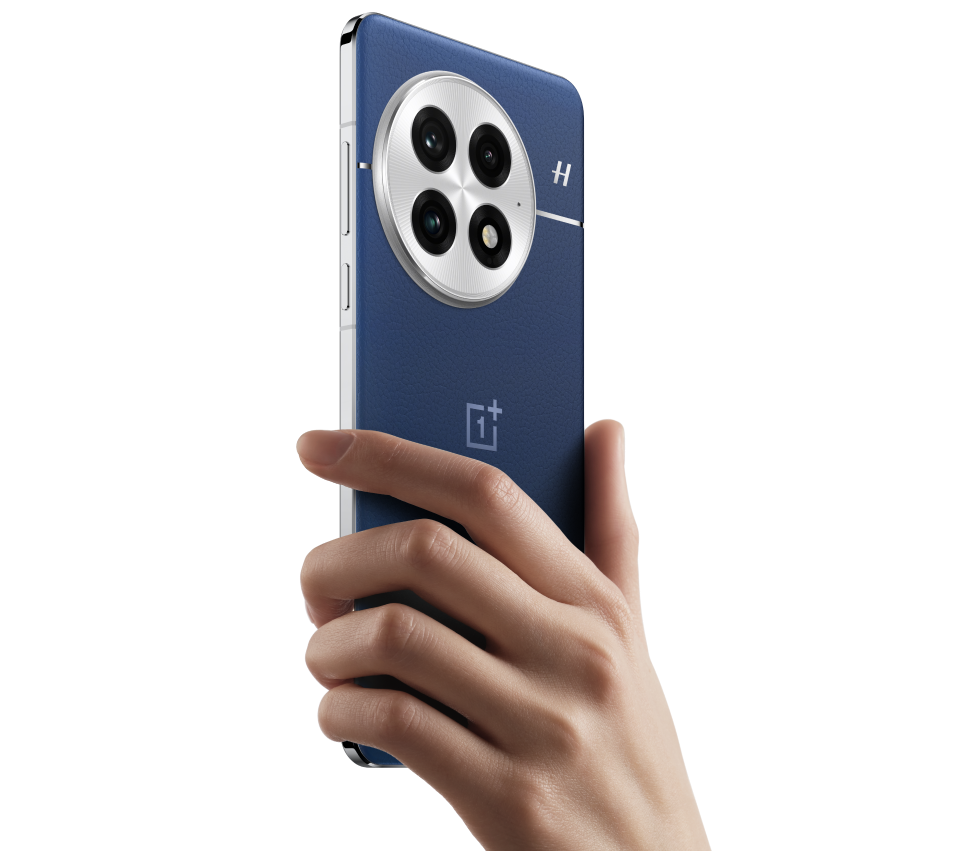
The premium Android smartphone market has become more competitive than ever, and two devices that stand out are the OnePlus 13 and the Xiaomi 15. Rather than chasing flashy marketing, both brands focus on delivering flagship-level hardware, premium displays, powerful cameras, and fast charging at prices that are often more competitive than traditional ultra-premium devices.
At first glance, these phones appear remarkably similar. Both are powered by Qualcomm’s latest flagship processor, feature high-refresh-rate AMOLED displays, include triple rear cameras, and promise years of software support. However, once you look beyond the specifications, each phone targets a different type of user.
The OnePlus 13 is designed for users who prefer a larger display, exceptional battery life, and long gaming sessions, while the Xiaomi 15 appeals to those who want flagship performance in a more compact and pocket-friendly design.
If you’re planning to invest in a premium Android phone in 2026, this comparison will help you decide which device offers the better overall experience.
| Feature | OnePlus 13 | Xiaomi 15 |
|---|---|---|
| Display | 6.82-inch LTPO AMOLED, QHD+, 1–120Hz | 6.36-inch LTPO AMOLED, 1–120Hz |
| Processor | Snapdragon 8 Elite | Snapdragon 8 Elite |
| RAM | Up to 24GB LPDDR5X | Up to 16GB LPDDR5X |
| Storage | Up to 1TB UFS 4.0 | Up to 1TB UFS 4.0 |
| Rear Cameras | Triple 50MP (Wide + Periscope + Ultra-wide) | Triple 50MP Leica-tuned (Wide + Telephoto + Ultra-wide) |
| Front Camera | 32MP | 32MP |
| Battery | 6,000mAh | 5,240mAh (global variant) |
| Charging | 100W wired, 50W wireless | 90W wired, 50W wireless |
| Water Resistance | IP68 & IP69 | IP68 |
| Operating System | OxygenOS based on Android | Xiaomi HyperOS based on Android |
Design and Build Quality
Although both devices belong to the premium flagship category, they offer noticeably different design philosophies.
The OnePlus 13 is built around a larger chassis that accommodates its expansive display and high-capacity battery. Despite its size, the phone maintains a refined look with premium materials, curved edges, and a solid in-hand feel. The addition of both IP68 and IP69 ratings also gives it an advantage for users seeking maximum durability against water and dust.
The Xiaomi 15, on the other hand, embraces a more compact approach. Its smaller footprint makes it significantly easier to operate with one hand while still delivering flagship specifications. For users who find today’s ultra-large smartphones uncomfortable, Xiaomi’s design is likely to feel more practical for everyday use.
Both phones feature premium glass construction, aluminum frames, and flagship-level craftsmanship. Neither feels like a compromise in terms of build quality.
Which Design Is Better?
If you enjoy large-screen phones for gaming, watching videos, or multitasking, the OnePlus 13 is the better choice.
If portability and one-handed comfort are more important, the Xiaomi 15 stands out as one of the strongest compact Android flagships available.
Display Comparison
The display is one of the biggest differences between these two smartphones.
The OnePlus 13 features a 6.82-inch LTPO AMOLED panel with a sharp QHD+ resolution and an adaptive refresh rate ranging from 1Hz to 120Hz. This larger screen provides more workspace for productivity, immersive gaming, and media consumption while also benefiting from LTPO technology for improved power efficiency.
The Xiaomi 15 takes a different route with its 6.36-inch LTPO AMOLED display. While significantly smaller, it still offers excellent sharpness, smooth scrolling, and flagship-level color reproduction. The compact size makes it particularly appealing for users who want premium hardware without carrying a large device.
Both smartphones support adaptive refresh rates, helping balance smooth animations with battery efficiency depending on what’s displayed on the screen.
In everyday use, both displays deliver vibrant colors, deep blacks, and excellent viewing angles. The decision comes down less to display quality and more to the size you prefer.
Display Experience in Daily Use
For entertainment, the OnePlus 13’s larger display provides a more immersive experience when watching movies, editing photos, or playing games.
The Xiaomi 15, however, offers a more comfortable experience during extended one-handed use. Reading articles, replying to messages, and navigating social media can feel easier thanks to its compact dimensions.
Neither phone sacrifices display quality, but each targets a different audience.
Software Experience
Both smartphones ship with modern Android-based operating systems that include AI-powered productivity features, advanced customization options, and long-term software support.
OnePlus continues to refine OxygenOS, focusing on smooth animations, clean navigation, and useful multitasking features. Xiaomi’s HyperOS introduces a redesigned ecosystem with tighter integration across Xiaomi devices, along with AI-powered enhancements aimed at improving productivity and personalization.
If software experience is a priority, we’ll examine performance, AI capabilities, and long-term update support in the next section.
If you regularly work with large documents or technical PDFs on your smartphone, our How to Use AI to Summarize Large PDF Documents Instantly (Free & No Signup) guide explains how AI tools can quickly extract key information without requiring paid subscriptions.
Performance: Same Flagship Chip, Different Experience
OnePlus and Xiaomi have equipped their latest flagships with Qualcomm’s Snapdragon 8 Elite platform, making both phones capable of handling demanding workloads such as high-end gaming, 4K video editing, AI-assisted tasks, and heavy multitasking.
Built on an advanced manufacturing process, the chipset combines improved CPU performance with a more powerful GPU while also delivering better power efficiency than the previous generation. In day-to-day use, both devices feel exceptionally fast, whether you’re switching between apps, editing photos, or recording high-resolution videos.
For most users, raw processing power won’t be the deciding factor because both phones comfortably sit in the flagship category.
RAM and Storage
Both smartphones use fast LPDDR5X RAM and UFS 4.0 storage, ensuring quick app launches, faster file transfers, and smoother multitasking.
| Feature | OnePlus 13 | Xiaomi 15 |
|---|---|---|
| RAM | Up to 24GB LPDDR5X | Up to 16GB LPDDR5X |
| Storage | Up to 1TB UFS 4.0 | Up to 1TB UFS 4.0 |
The OnePlus 13 offers higher RAM configurations, which can benefit users who frequently keep many apps open or work with memory-intensive tasks. For everyday users, however, both phones provide more than enough memory for a smooth experience.
Everyday Performance
In normal daily use, you’ll notice very little difference between these two devices.
Tasks such as:
- Browsing with multiple Chrome tabs
- Video streaming
- Social media
- AI-powered photo editing
- Navigation
- Productivity apps
are handled effortlessly on both phones.
Animations remain fluid, apps open almost instantly, and multitasking is seamless thanks to the combination of the Snapdragon 8 Elite platform and high-speed storage.
Gaming Performance
Gaming is where flagship hardware truly shines.
Popular titles such as BGMI, Call of Duty: Mobile, Genshin Impact, and Asphalt Legends Unite run smoothly on both devices at high graphics settings.
The OnePlus 13’s larger display enhances immersion, giving players more screen space and making on-screen controls feel less cramped during long gaming sessions.
The Xiaomi 15 delivers the same flagship performance but in a smaller form factor. Some users may prefer its compact design for portability, while others may find extended gaming more comfortable on the larger OnePlus display.
For competitive gaming, both devices offer responsive touch input and adaptive refresh rates that help maintain a fluid visual experience.
Thermal Management
Powerful processors generate heat during demanding tasks such as gaming, video recording, or prolonged camera use.
Both manufacturers include advanced cooling systems designed to maintain stable performance under sustained workloads.
During typical everyday usage, neither phone should experience noticeable heating. Under heavy gaming or extended benchmark sessions, some warmth is expected—as with any flagship—but both are engineered to manage temperatures efficiently.
For users who regularly game for extended periods, the OnePlus 13’s larger chassis provides more internal space for heat dissipation, which can contribute to sustained performance over longer sessions.
Software Experience
Hardware tells only part of the story. Software determines how enjoyable a phone is to use every day.
OnePlus 13: OxygenOS
OnePlus continues to refine OxygenOS, focusing on speed, fluid animations, and a clean user interface.
Key strengths include:
- Smooth navigation
- Useful multitasking features
- Minimal visual clutter
- Extensive customization options
- Responsive overall experience
Users moving from stock Android often find OxygenOS familiar while still offering additional features that enhance productivity.
Xiaomi 15: HyperOS
The Xiaomi 15 runs HyperOS, the company’s latest software platform.
HyperOS introduces:
- Improved ecosystem integration
- Better device-to-device connectivity
- Modern visual design
- AI-assisted productivity features
- Enhanced resource management
For users already invested in Xiaomi products such as tablets, wearables, or smart home devices, HyperOS offers a more connected ecosystem experience.
AI Features
Artificial intelligence is becoming a major differentiator in premium smartphones.
While the exact AI feature set varies by region and software version, both phones include intelligent capabilities designed to improve everyday usability.
Examples include:
- AI-powered photo editing
- Real-time translation
- Writing assistance
- Voice transcription
- Productivity tools
- Smart search
- Image enhancement
Rather than competing solely on hardware, both manufacturers are increasingly using AI to enhance the overall user experience.
Software Updates
Long-term software support is an important consideration for buyers planning to keep their smartphone for several years.
Both OnePlus and Xiaomi have expanded their software update commitments in recent flagship generations, delivering multiple Android version upgrades along with ongoing security updates.
Before purchasing, it’s still worth confirming the software support policy for your specific region, as update timelines can vary slightly between markets.
Which Phone Performs Better?
From a pure performance perspective, there is no clear winner.
Choose the OnePlus 13 if you:
- Prefer a larger display for gaming.
- Frequently multitask with many apps.
- Want higher RAM configuration options.
- Value extended gaming comfort.
Choose the Xiaomi 15 if you:
- Want flagship performance in a compact device.
- Prefer easier one-handed operation.
- Already use Xiaomi’s ecosystem.
For developers or power users who regularly work with demanding applications, optimizing your computer can also improve productivity. Our How to Free Up RAM and Stop Lag in Visual Studio Code (VS Code) for Coding guide shares practical ways to reduce memory usage and keep development workflows responsive.
Camera Comparison
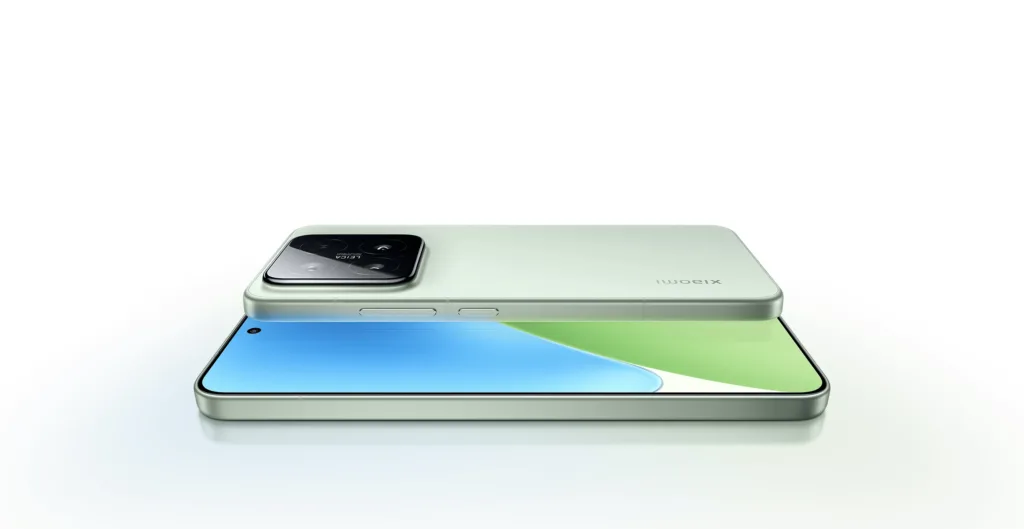
Camera performance is one of the biggest reasons buyers choose a flagship smartphone, and both the OnePlus 13 and Xiaomi 15 feature premium triple-camera systems. While their hardware appears similar on paper, the photography experience differs because of image processing, color science, and software tuning.
OnePlus continues its partnership with Hasselblad, focusing on natural color reproduction and balanced image processing. Xiaomi, meanwhile, works closely with Leica, offering two distinctive image styles that appeal to photography enthusiasts.
Both approaches produce excellent results, but the final look of your photos can vary noticeably.
Rear Camera Hardware
| Camera | OnePlus 13 | Xiaomi 15 |
|---|---|---|
| Main Camera | 50MP | 50MP Leica-engineered |
| Ultra-Wide | 50MP | 50MP |
| Telephoto | 50MP Periscope | 50MP Telephoto |
| Front Camera | 32MP | 32MP |
Although both phones feature three 50MP rear cameras, image quality depends on much more than megapixels. Sensor size, optics, autofocus, stabilization, and computational photography all contribute to the final result.
Daylight Photography
In bright outdoor conditions, both phones capture highly detailed images with excellent dynamic range.
The OnePlus 13 aims for a natural, true-to-life appearance. Colors remain balanced without appearing oversaturated, making landscapes and architecture look realistic.
The Xiaomi 15, influenced by Leica’s imaging philosophy, often produces photos with stronger contrast and richer tones. Users who enjoy a more dramatic look may prefer Xiaomi’s processing.
Neither approach is objectively better—it comes down to personal preference.
Portrait Photography
Portrait mode has become an important feature for many users.
The OnePlus 13 delivers accurate edge detection and pleasing skin tones while maintaining a natural-looking background blur.
The Xiaomi 15 benefits from Leica-inspired portrait profiles that create a more artistic style, especially when photographing people in outdoor lighting.
If you frequently take portraits for social media or professional use, both phones perform exceptionally well.
Ultra-Wide Photography
Ultra-wide cameras are useful for:
- Landscapes
- Architecture
- Travel photography
- Group photos
Both smartphones provide wide fields of view while maintaining good detail across the frame.
The OnePlus 13 prioritizes consistency between the main and ultra-wide cameras, while Xiaomi’s tuning gives ultra-wide shots a slightly more vibrant appearance.
Zoom Photography
Zoom performance has improved dramatically in modern flagship smartphones.
The OnePlus 13 includes a dedicated periscope telephoto camera that delivers sharp results across multiple zoom levels while maintaining good detail.
The Xiaomi 15 also features a telephoto camera designed for high-quality optical zoom, making it suitable for portraits, wildlife, and distant subjects.
For everyday users, both systems provide impressive flexibility without relying heavily on digital cropping.
Selfie Camera
Each device includes a 32MP front-facing camera capable of capturing detailed selfies and supporting high-quality video calls.
Skin tones appear natural on both devices, while HDR processing helps retain facial details in challenging lighting conditions.
If selfie photography is one of your priorities, either phone is capable of producing flagship-level results.
Video Recording
Video capabilities continue to improve across flagship smartphones.
Both devices support high-resolution video recording with advanced stabilization features that help produce smooth footage while walking or recording handheld.
Content creators will appreciate features such as:
- Optical image stabilization
- Electronic stabilization
- HDR video support
- Slow-motion recording
- Multiple camera switching
Your preferred video style may ultimately depend on each brand’s color processing rather than recording quality itself.
Battery Life
Battery endurance is one of the areas where the OnePlus 13 holds a clear hardware advantage.
| Feature | OnePlus 13 | Xiaomi 15 |
|---|---|---|
| Battery Capacity | 6,000mAh | 5,240mAh (Global) |
The larger battery allows the OnePlus 13 to better accommodate its larger display while still providing excellent all-day performance.
The Xiaomi 15, despite its smaller battery, benefits from a more compact display that helps maintain competitive battery life.
Both phones are capable of lasting through a full day of typical usage, including web browsing, messaging, video streaming, photography, and social media.
Charging Comparison
Fast charging remains a major strength for both manufacturers.
| Charging | OnePlus 13 | Xiaomi 15 |
|---|---|---|
| Wired Charging | 100W | 90W |
| Wireless Charging | 50W | 50W |
Both devices recharge significantly faster than many competing flagship smartphones.
The OnePlus 13 offers a slight advantage with its faster wired charging, allowing users to spend less time connected to a charger.
Connectivity
As flagship smartphones, both devices include modern connectivity standards expected in 2026.
Common features include:
- 5G connectivity
- Wi-Fi 7 support
- Bluetooth 5.4
- NFC
- USB Type-C
- Dual-SIM support (region dependent)
- In-display fingerprint sensor
These features ensure compatibility with modern accessories and high-speed wireless networks.
If you’re experiencing wireless connectivity issues after upgrading your phone, our How to Fix Bluetooth Not Working on Android, iPhone, and Windows guide explains common troubleshooting steps that also apply to many Bluetooth accessories used with flagship smartphones.
Audio and Multimedia
Both smartphones feature stereo speaker systems designed to deliver immersive audio for gaming, movies, and music.
Combined with their high-refresh-rate AMOLED displays, they provide an excellent multimedia experience whether you’re watching HDR videos or listening to lossless audio.
Pricing and Value
The final decision often comes down to pricing.
If both phones are available at similar prices:
- Choose the OnePlus 13 if battery life, a larger display, and faster charging are your top priorities.
- Choose the Xiaomi 15 if you prefer a compact flagship, Leica-inspired photography, and easier one-handed use.
Both smartphones represent excellent value within the premium Android segment, and neither feels like a compromise in overall performance.
Which Phone Should You Buy?
Choosing between the OnePlus 13 and the Xiaomi 15 ultimately depends on how you use your smartphone. Both devices sit firmly in the premium flagship category, offering exceptional performance, vibrant LTPO AMOLED displays, versatile camera systems, and fast charging. Rather than focusing on which phone is “better,” it’s more useful to identify which one better suits your priorities.
Buy the OnePlus 13 if you:
- Want a large flagship display for gaming, streaming, and productivity.
- Need outstanding battery life with its 6,000mAh battery.
- Prefer faster 100W wired charging.
- Like OxygenOS for its clean interface and smooth performance.
- Want the added durability of IP68 and IP69 protection.
Buy the Xiaomi 15 if you:
- Prefer a compact flagship that’s comfortable to use with one hand.
- Enjoy Leica-inspired photography with distinctive image styles.
- Already use Xiaomi’s ecosystem of wearables and smart home devices.
- Want flagship performance without carrying a large phone.
Both phones are excellent choices, and neither has a decisive advantage in every category. The OnePlus 13 leans toward power users who value endurance and a larger display, while the Xiaomi 15 is ideal for those seeking flagship performance in a more compact form factor.
⚡ TechularZtrix Scan
📌 Bottom Line
The OnePlus 13 and Xiaomi 15 represent two different approaches to the premium Android experience. OnePlus prioritizes battery life, charging speed, and a larger display, while Xiaomi focuses on compact design, Leica-enhanced photography, and flagship performance. Your decision should be based on which strengths align with your daily usage.
🏆 Biggest Win – OnePlus 13
Excellent battery life, larger immersive display, faster wired charging, and enhanced durability with IP68/IP69 ratings.
🏆 Biggest Win – Xiaomi 15
A compact flagship design paired with Leica-tuned cameras and top-tier performance, making it ideal for users who value portability without sacrificing capability.
📈 Why It Matters
Premium smartphones now deliver similar levels of raw performance. The real differences lie in software experience, battery endurance, camera tuning, ergonomics, and ecosystem integration. Choosing the phone that matches your preferences will have a greater impact on long-term satisfaction than small specification differences.
🌍 India Reality Check
Both devices are positioned as premium Android flagships in India, where buyers increasingly expect fast charging, reliable cameras, long software support, and durable designs. Before making a purchase, compare launch offers, bank discounts, exchange bonuses, and after-sales service availability, as these can significantly influence overall value.
🔍 Our Recommendation
If you prioritize battery life, charging speed, and a larger display, the OnePlus 13 is the stronger choice.
If you want a compact flagship with Leica-inspired photography and excellent one-handed usability, the Xiaomi 15 is an outstanding alternative.
Neither phone is a poor choice—the best option depends on your priorities rather than a single specification.