How AI Is Used in Daily Life: Real Examples You Didn’t Notice
How AI Is Used in Daily Life? Artificial intelligence is already part of daily life, even if most people do not actively notice it. When a smartphone unlocks using facial recognition, a navigation app avoids traffic, or an online store recommends a product, AI is working quietly in the background. Rather than being a futuristic concept, artificial intelligence has become a practical tool that improves how people use technology every day.
Instead of drawing attention to itself, AI focuses on making digital experiences smoother, faster, and more reliable.
What Is Artificial Intelligence in Simple Terms?
Artificial intelligence, commonly known as AI, refers to computer systems designed to learn from data and make decisions in a way that resembles human thinking. Unlike traditional software that follows fixed instructions, AI systems can recognize patterns and improve their performance over time.
In everyday use, AI does not appear as robots or advanced machines. It operates behind the scenes in features such as predictive typing, face recognition, and personalized suggestions. In simple terms, AI helps technology make smarter decisions without requiring constant user input.
The goal of artificial intelligence is not to replace people, but to support them by automating routine tasks and improving efficiency.
How AI is Used in daily life in Smartphones?
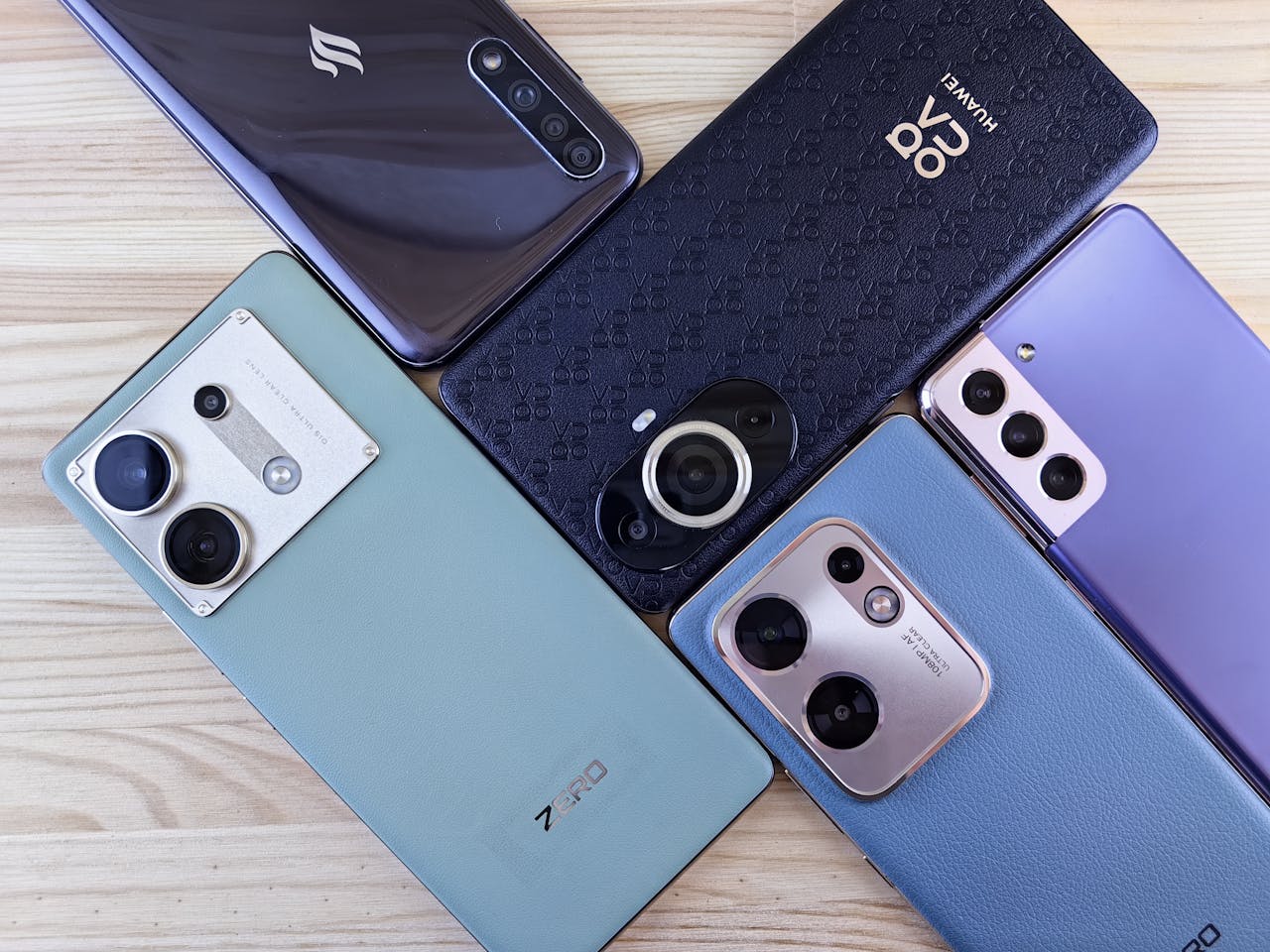
Modern smartphones rely heavily on artificial intelligence to deliver smarter performance and better usability. One of the most common uses of AI is biometric security, including facial recognition and fingerprint unlocking. These systems learn unique user patterns to improve accuracy and security over time.
AI also plays a key role in smartphone cameras. Camera apps analyze scenes in real time to adjust lighting, colors, and focus automatically. Features such as portrait mode and night photography depend on AI rather than hardware alone.
Example how AI Is Used in Daily Life: When a phone automatically sharpens a photo or adjusts brightness without manual settings, artificial intelligence is responsible for those improvements.
In addition, AI helps optimize battery usage and system performance by learning how users interact with their devices.
How Does AI Shape Social Media and Entertainment?
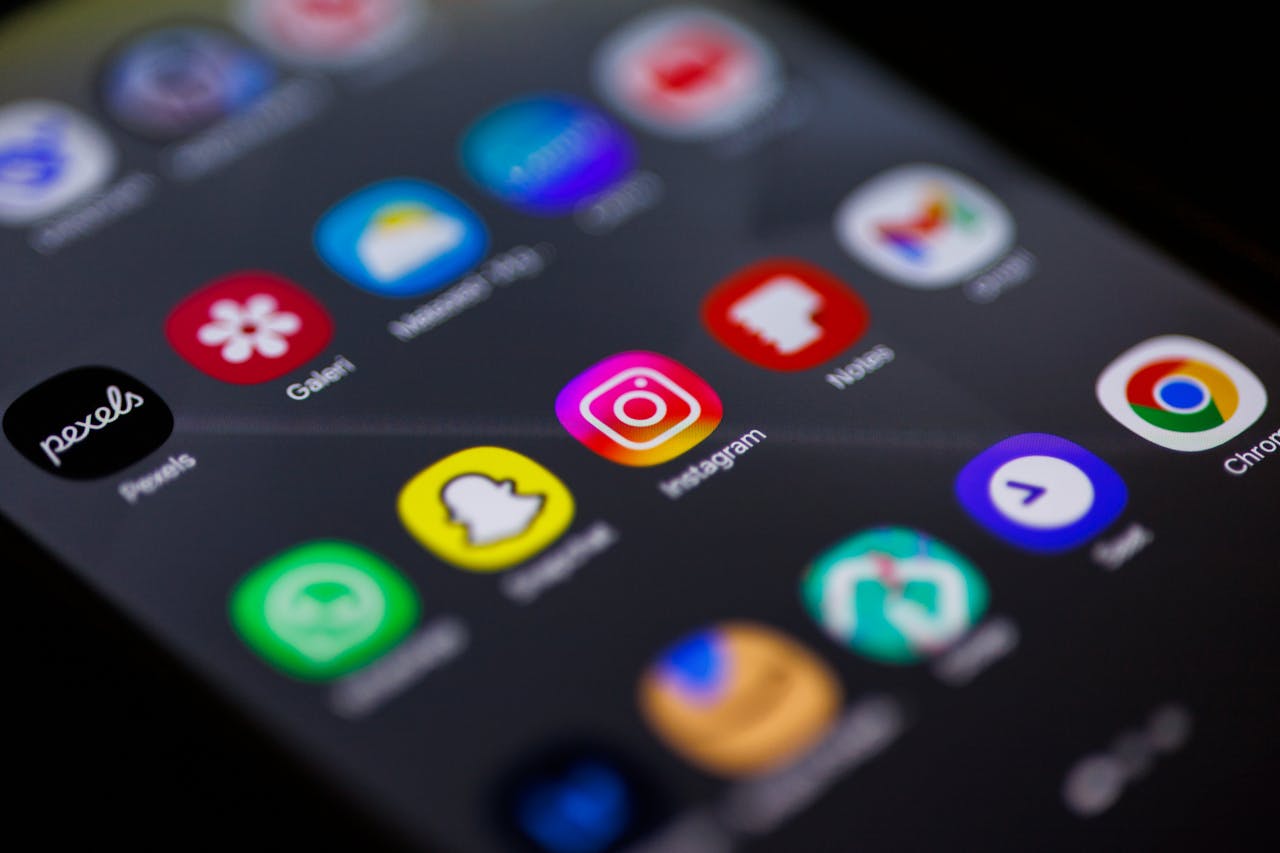
Artificial intelligence is central to how social media platforms and entertainment services personalize content. AI systems analyze user behavior, such as likes, watch time, and interactions, to determine which posts or videos appear in a feed.
Streaming platforms use AI to recommend movies, shows, or music based on viewing history and preferences. Over time, these recommendations become more accurate.
Example how AI Is Used in Daily Life: When a social media app suggests videos that closely match your interests, AI algorithms are deciding what you see first.
AI also assists with content moderation by identifying spam or harmful material, helping platforms maintain safer digital spaces.
How Is AI Used in Online Shopping and Payments?

AI plays a major role in online shopping experiences by helping users find relevant products more easily. E-commerce platforms use artificial intelligence to improve search results, recommend items, and manage inventory efficiently.
In digital payments, AI strengthens security through fraud detection. By monitoring transaction patterns in real time, AI systems can identify unusual activity and trigger additional verification.
Example how AI Is Used in Daily Life: If an online store recommends products similar to what you recently viewed, AI is analyzing your browsing behavior.
This makes online transactions safer and more reliable for everyday users.
How Does AI Help in Navigation and Transportation?
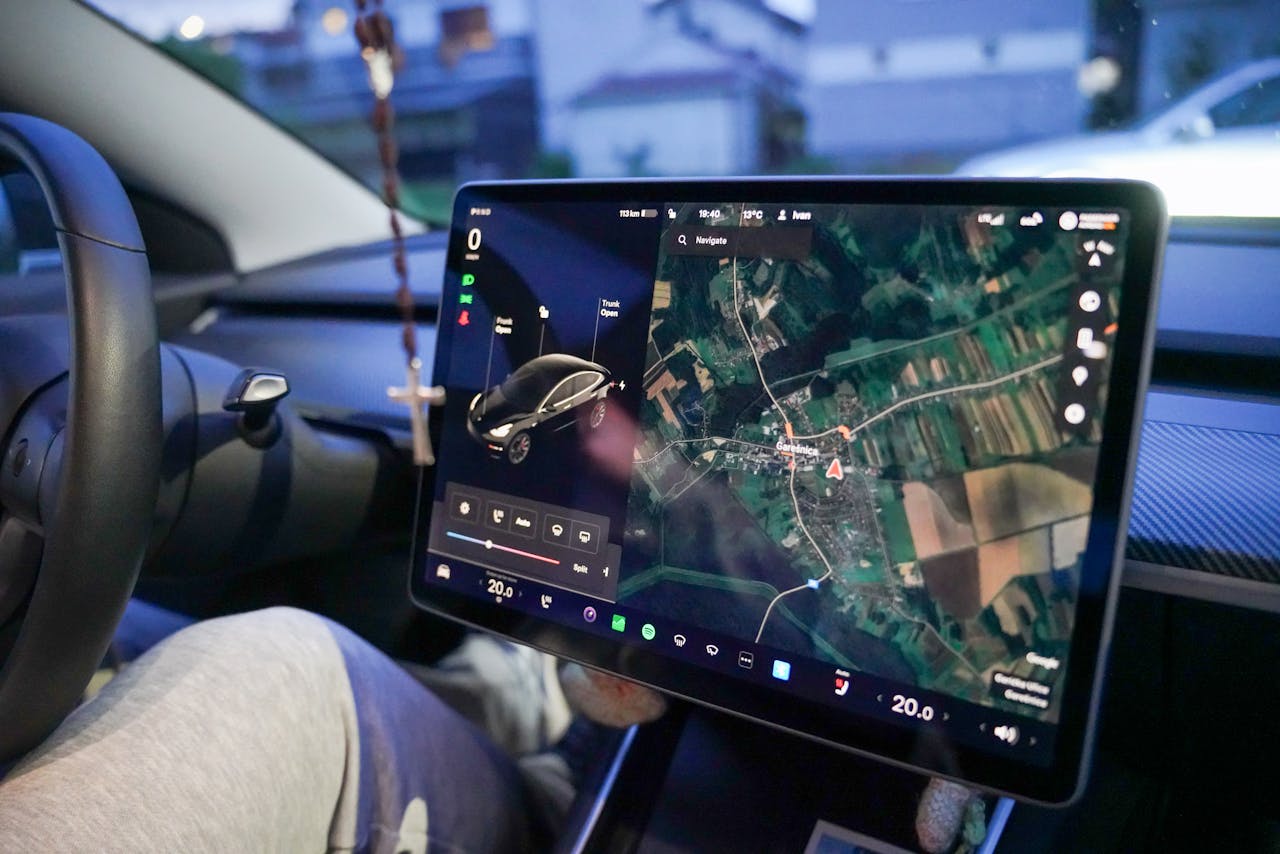
Navigation apps rely on AI to provide accurate route suggestions. Artificial intelligence analyzes traffic conditions, road closures, and travel patterns to recommend faster or more efficient routes.
Ride-sharing and delivery platforms also use AI to match users with drivers, estimate arrival times, and optimize routes.
Example how AI Is Used in Daily Life: When a navigation app reroutes you to avoid traffic congestion, AI is processing real-time traffic data.
In vehicles, AI supports driver-assistance features that improve safety and driving efficiency.
How Is AI Used in Home Devices and Smart Assistants?

Smart home devices depend on AI to understand voice commands and user preferences. Devices such as smart speakers and smart TVs use artificial intelligence to deliver more accurate and personalized responses over time.
AI-powered home automation systems allow users to control lighting, temperature, and entertainment with minimal effort.
Example how AI Is Used in Daily Life: When a smart speaker understands your voice commands better after repeated use, AI is learning your preferences.
How Does AI Support Healthcare and Fitness Apps?

AI is widely used in fitness and health applications to analyze activity data and provide useful insights. Fitness apps track workouts, suggest routines, and monitor progress based on individual goals.
In healthcare, AI assists with symptom analysis and health monitoring, helping users stay informed.
Example how AI Is Used in Daily Life: When a fitness app recommends workout goals based on your activity history, AI is analyzing performance patterns.
Is AI Safe in Daily Life?
AI systems are generally designed with user safety and privacy in mind. However, since AI relies on data, users should remain aware of app permissions and privacy settings.
When used responsibly, artificial intelligence offers practical benefits with minimal risk.
The Future of AI in Everyday Life
Artificial intelligence will continue to integrate more deeply into daily activities. Future developments are likely to focus on improving efficiency, accessibility, and user control rather than replacing human involvement.
As AI evolves, its role will remain centered on assisting people and enhancing everyday life in practical and meaningful ways. External reference: For broader technical context, see artificial intelligence on Wikipedia.