iPhone 18 Release Schedule Leak Explained: Why Apple May Skip the “Normal” iPhone 18 in 2026
Quick Highlights
Apple’s iPhone launch cycle has been predictable for nearly a decade. Every September, the company unveils its full flagship lineup, followed by global sales within weeks. But a new wave of leaks suggests that Apple may be preparing its biggest schedule shake-up in years — and it could mean something unusual: there may not be a regular iPhone 18 launching in 2026, at least not in the way people expect.
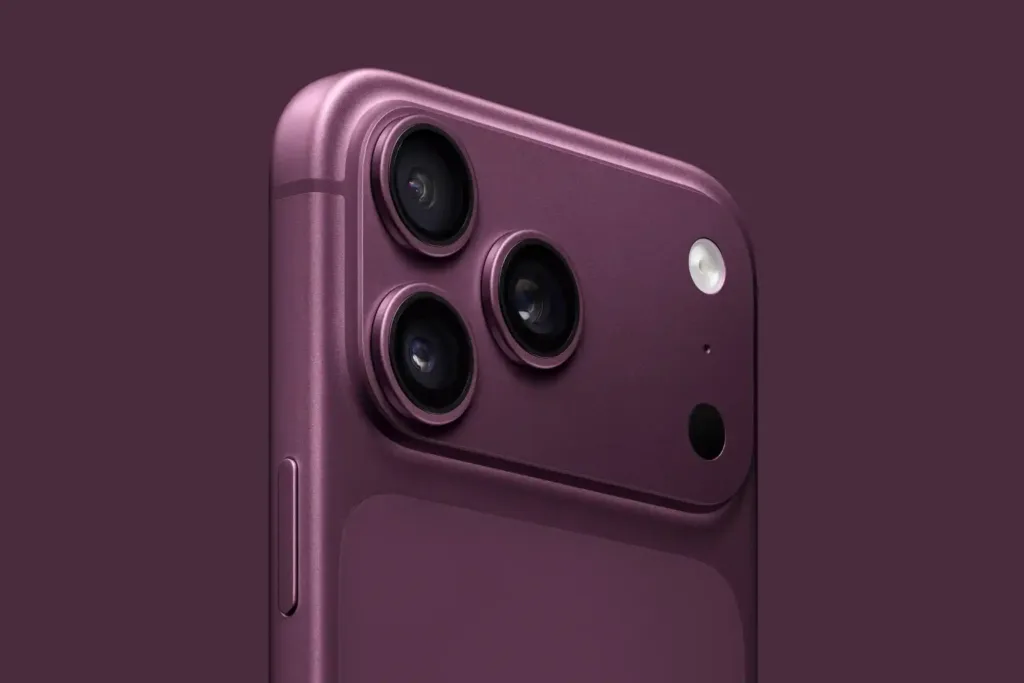
According to recent reports, Apple could split its iPhone launch roadmap into two separate events each year. The premium models could arrive in September as usual, while the more affordable base iPhone models could be pushed to a spring launch window the following year. If that happens, the iPhone 18 name would technically exist in 2026, but the “standard iPhone 18” might not.
This isn’t just a scheduling change — it could signal a deeper shift in how Apple positions its iPhones across price tiers, upgrades, and long-term demand.
For official iPhone announcements and launch timelines, Apple’s Newsroom remains the most reliable source.
Apple May Be Planning Two iPhone Launch Events Every Year
If the leak is accurate, Apple could be adopting a strategy similar to what Samsung and Google already follow. Instead of one massive iPhone launch event per year, Apple may start hosting:
A September event for premium iPhones
A spring event for more affordable models
This would be a major structural change. Apple has largely avoided this approach since the iPhone SE era, where it occasionally launched cheaper models outside the flagship cycle.
But now, Apple’s lineup is getting bigger and more segmented. Between Pro models, potential foldables, “e” models, and experimental categories like Air, one launch window may no longer be enough.
Which iPhones Could Launch in September 2026?
According to the latest rumor, Apple’s September 2026 event could focus on its highest-end iPhones only. That would likely include:
iPhone 18 Pro
iPhone 18 Pro Max
Foldable iPhone Ultra
This premium-first approach makes strategic sense. September is Apple’s biggest marketing moment, and launching its most expensive models first would keep the spotlight on the most profitable devices.
It would also allow Apple to dominate the headlines at a time when competitors like Samsung, Xiaomi, and Google are aggressively pushing AI-driven flagship upgrades.
This is especially relevant because AI is becoming a major selling point for premium devices, and Apple’s long-term direction is clearly leaning into that shift, as discussed in Apple Intelligence Could Soon Let Users Choose ChatGPT, Gemini, or Claude — and It May Redefine the iPhone AI Era.
Why the Regular iPhone 18 Might Be Delayed Until 2027
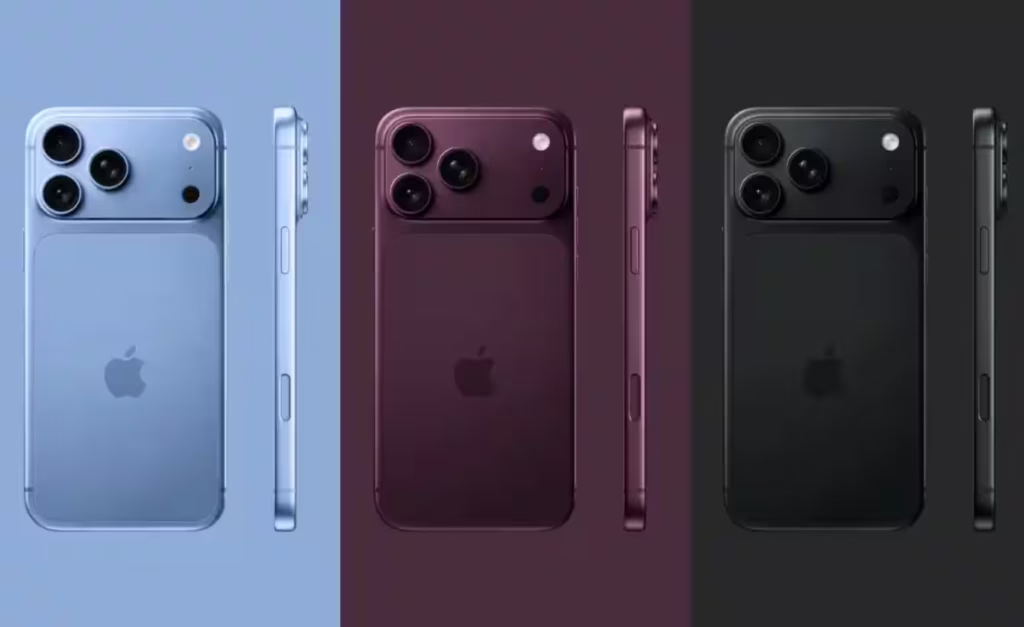
The most surprising part of the leak is the idea that Apple could push the base iPhone 18 to the following year — likely spring 2027.
If that happens, Apple may essentially extend the shelf life of the iPhone 17 for longer, keeping it as the “mainstream iPhone” for a full year and a half.
This could happen for a few reasons.
One, Apple’s base iPhones have been selling strongly. If the iPhone 17 remains a top seller, Apple may not feel pressure to replace it quickly.
Two, rising manufacturing costs could force Apple to rethink how much innovation it can deliver at the base price point without pushing the price too high. A longer sales cycle gives Apple room to manage supply chain costs and maintain margins.
Three, it creates stronger differentiation. If Apple launches the Pro models first, it keeps the premium lineup distinct and avoids the base model competing for attention during the same event.
iPhone 18 and iPhone 18e Could Launch Together in Spring 2027
Leaks suggest Apple’s second iPhone event could happen in spring 2027, potentially between March and April.
That event could focus on:
iPhone 18
iPhone 18e
This would be Apple’s way of bundling its more affordable lineup into a separate spotlight, much like how Google positions its Pixel A-series phones.
If Apple follows this strategy, the “e” model could become more than just a cheaper alternative. It could become part of a mainstream tier that is updated separately from the premium iPhones.
This also aligns with how the smartphone market is evolving, where brands are now targeting multiple audiences across the year rather than relying on a single annual launch cycle.
The iPhone Air 2 Could Be the Wild Card
The rumored iPhone Air 2 complicates things slightly. Reports suggest it may arrive alongside the base models in spring 2027, but there’s still uncertainty about whether the Air category will even continue.
If it does, Apple may position it as a stylish mid-tier option, sitting between the “e” lineup and the Pro lineup. That would give Apple a stronger spread across pricing categories, but it also risks confusing buyers.
Apple is usually careful with product simplicity, but with foldables entering the ecosystem, simplicity may no longer be realistic.
Apple may also be trying to disrupt the spring Android hype cycle, especially as platforms like Android Auto are getting major upgrades, as seen in Android Auto gets a massive AI-powered upgrade with YouTube, Dolby Atmos, and immersive 3D Maps.
Why Apple Would Split the iPhone Launch Cycle Now
Apple doesn’t change its iPhone schedule casually. The company has built its entire yearly marketing rhythm around the September launch window. So if this rumor is true, it likely means Apple sees clear advantages.
A split schedule could help Apple maintain iPhone momentum throughout the year. Instead of one major iPhone spike in September and silence afterward, Apple could create two major marketing waves.
It could also help Apple strategically steal attention away from spring Android launches. Events like MWC and Samsung’s early-year Galaxy announcements dominate headlines every year. A spring iPhone event would immediately disrupt that cycle.
In other words, Apple would be taking the fight directly into Android’s strongest seasonal window.
The Foldable iPhone Ultra Could Be the Real Reason Behind This Shift
One of the strongest reasons Apple might split the schedule is the rumored foldable iPhone Ultra.
Foldables are still a niche category, but Apple’s entry could instantly push them mainstream. If Apple launches a foldable alongside the Pro lineup, it would command attention and justify a premium-focused September event.
Meanwhile, the base iPhone models could be saved for spring, where they get their own marketing spotlight without being overshadowed by a foldable headline product.
This also reflects what’s happening across the industry, where new form factors are becoming a bigger part of consumer interest, especially as buyers look for something different beyond minor yearly upgrades.
Interestingly, a foldable iPhone could also become Apple’s biggest “new concept” product in years, especially after recent survey signals highlighted in The iPhone Ultra could be a surprise hit as new survey suggests potentially millions of Apple fans would buy a foldable phone.
What This Means for iPhone Buyers in 2026
If Apple does follow this schedule, it could change upgrade decisions in a major way.
People waiting for the iPhone 18 may find themselves in an unusual situation: the iPhone 18 Pro models could launch in 2026, but the standard iPhone 18 may not arrive until 2027.
That means buyers might have to decide whether to:
Buy an iPhone 17 and keep it longer
Upgrade to an iPhone 18 Pro earlier than planned
Wait for spring 2027 for the base model
It also means Apple’s upgrade cycle could become less predictable for the average buyer, even though the Pro lineup remains consistent.
TechularZtrix Take: Apple’s Two-Event Strategy Could Actually Be Smart
If Apple truly splits its iPhone launch roadmap, it could be one of the most important strategic moves the company has made in years.
The Pro models would remain Apple’s September headline, while the base models could gain their own dedicated event in spring. That keeps the iPhone in the news cycle all year long, strengthens differentiation, and gives Apple more room to position the foldable iPhone Ultra as a premium halo product.
It’s also a sign that Apple is preparing for a future where iPhones aren’t just “one lineup every year,” but multiple product tiers built for different buyers at different times.
If the foldable iPhone Ultra becomes real, this change might not just be logical — it might be inevitable.
Leaks suggest Apple may launch iPhone 18 Pro models in 2026, but the regular iPhone 18 may be delayed until spring 2027.
The iPhone 18 Pro, iPhone 18 Pro Max, and a foldable iPhone Ultra are rumored for the September event.
Leaks suggest Apple may launch the base iPhone 18 and iPhone 18e in spring 2027.
The iPhone Ultra is rumored to be Apple’s first foldable iPhone, potentially launching alongside the Pro models.
The iPhone Air 2 is rumored as a lighter or slimmer iPhone model, possibly launching in spring 2027, but its existence is not confirmed.