
 Android Lab
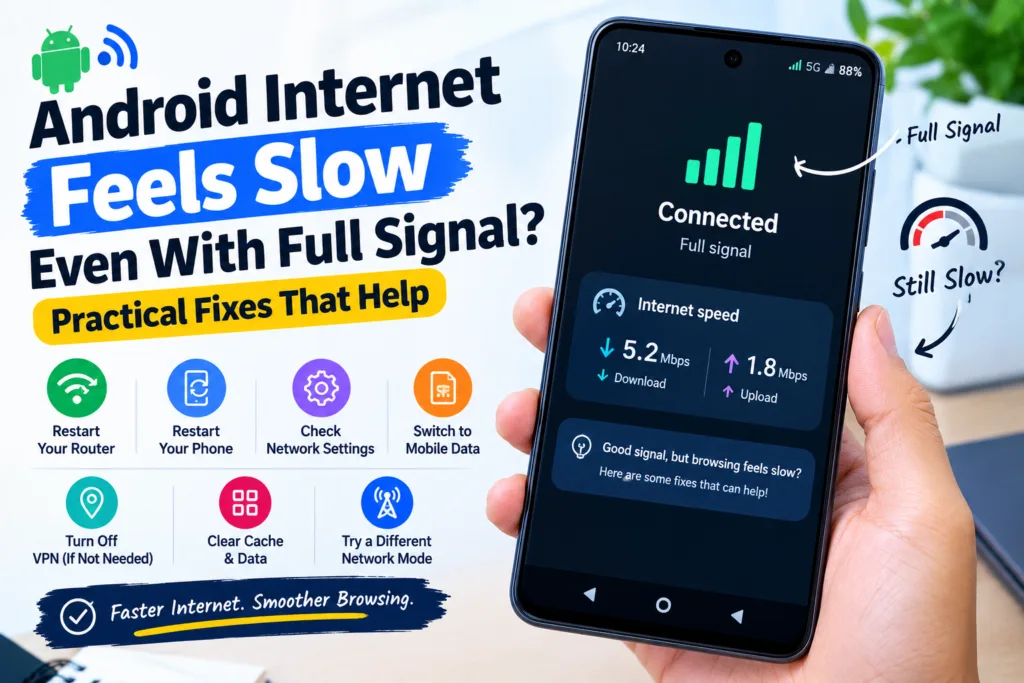
Android Internet Feels Slow Even With Full Signal? Practical Fixes That Help
It's one of the most confusing Android problems: your phone shows a strong signal, yet websites take too long to open, YouTube…
VERIFIED PROCEDUREEXECUTE
 TECHULARZTRIXTMPrecision Technology Editorial
TECHULARZTRIXTM
If you've ever connected your Android phone to a Wi-Fi network and later forgotten the password, there's good news. Modern Android devices can show saved Wi-Fi passwords directly from Settings without requiring root access, third-party apps, or complicated workarounds.
TechularZtrixEDITORIAL DESK · UPDATED 
If you’ve ever connected your Android phone to a Wi-Fi network and later forgotten the password, there’s good news. Modern Android devices can show saved Wi-Fi passwords directly from Settings without requiring root access, third-party apps, or complicated workarounds.
Whether you’re setting up a new phone, connecting a laptop, or sharing internet access with friends and family, Android makes the process surprisingly simple.
If your phone runs Android 10 or later, finding a saved Wi-Fi password takes less than a minute.
Open Settings.
Tap Wi-Fi, Network & Internet, or Connections, depending on your device brand.
Select the Wi-Fi network you’re currently connected to.
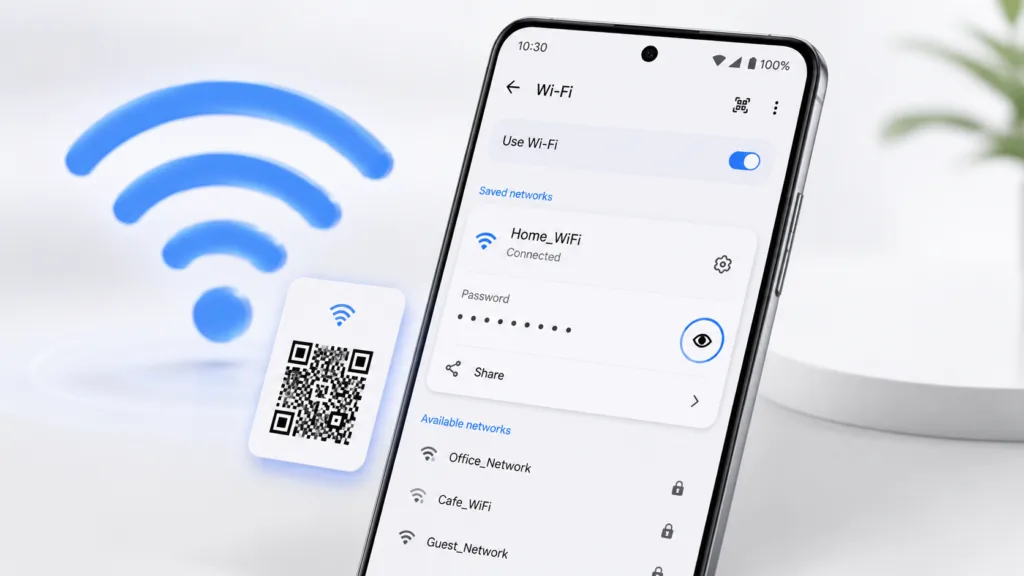
Tap Share or the QR Code icon.
Verify your identity using your fingerprint, PIN, password, or pattern lock.
Android will generate a QR code. Directly beneath the code, you’ll see the saved Wi-Fi password displayed in plain text.
You can either write down the password or let another device scan the QR code to connect instantly.
This feature works similarly to the sharing tools explained in our guide on How to Hide Your Active Status on Instagram (Android and iPhone, 2026), where Android’s built-in privacy settings remove the need for third-party apps.
You don’t need to reconnect to a network to retrieve its password.
Open Settings → Wi-Fi.
Tap Saved Networks, Manage Networks, or Known Networks.
Choose the network you want.
Tap Share.
Authenticate using your phone’s security method.
The QR code and password will appear on screen.
This is particularly useful when upgrading devices or helping guests connect to your home network.
Older Android versions do not include the built-in password sharing feature.
If your phone runs Android 9 or earlier, the easiest solution is accessing your router settings.
Open a browser on a device already connected to the Wi-Fi network.
Enter your router’s IP address.
Common examples include:
Log into the router admin panel.
Navigate to:
Wireless Settings → Security Settings
or
Wi-Fi Settings → Security
Look for fields named:
Your Wi-Fi password should be displayed there.
Different Android manufacturers use slightly different menu names.
| Brand | Path |
|---|---|
| Samsung | Settings → Connections → Wi-Fi → Network → QR Code |
| Xiaomi / Redmi | Settings → Wi-Fi → Connected Network → Share |
| OnePlus | Settings → Wi-Fi & Network → Wi-Fi → Share |
| Realme | Settings → Wi-Fi → Share Wi-Fi |
| OPPO | Settings → Wi-Fi → Share |
| Vivo | Settings → WLAN → Share |
| Google Pixel | Settings → Network & Internet → Internet → Share |
If you can’t find the Share button:
In those situations, checking the router settings remains the most reliable option.
Viewing a saved Wi-Fi password is safe, but sharing it deserves some caution.
Avoid:
If multiple people need access, using Android’s QR code sharing system is usually safer and faster.
You can also improve network privacy by reviewing connected devices periodically and updating your Wi-Fi password when needed.
For additional details about Wi-Fi sharing and network management features, users can visit the official Android Help documentation.
Android LabIt's one of the most confusing Android problems: your phone shows a strong signal, yet websites take too long to open, YouTube…
 Android Lab
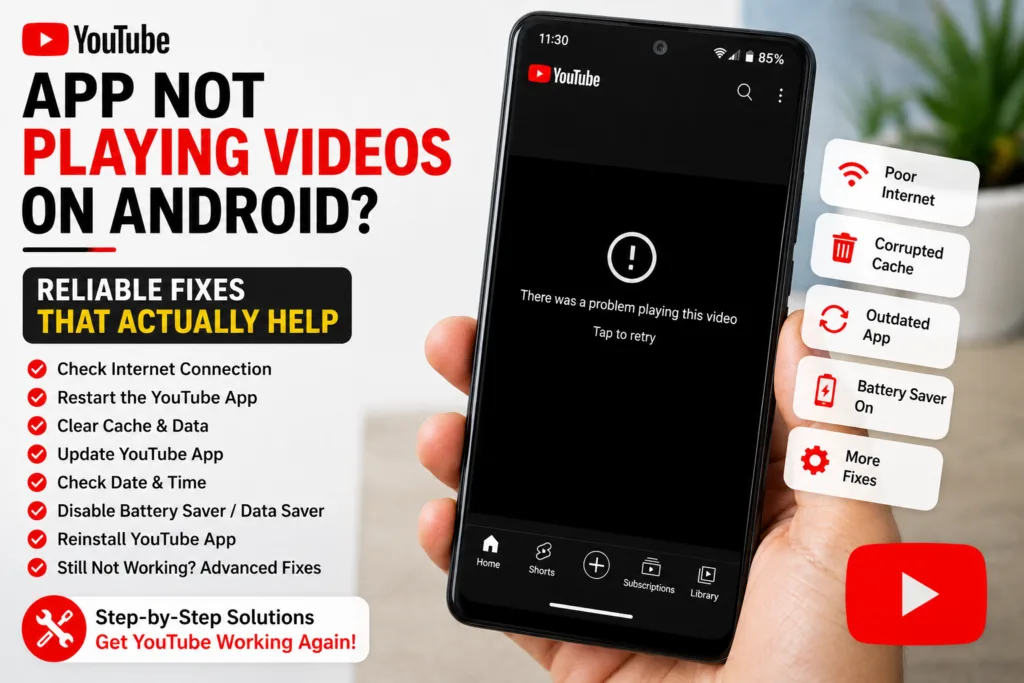
If the YouTube app is not playing videos on Android, the problem is not necessarily caused by the phone itself. A video…
 Android Lab
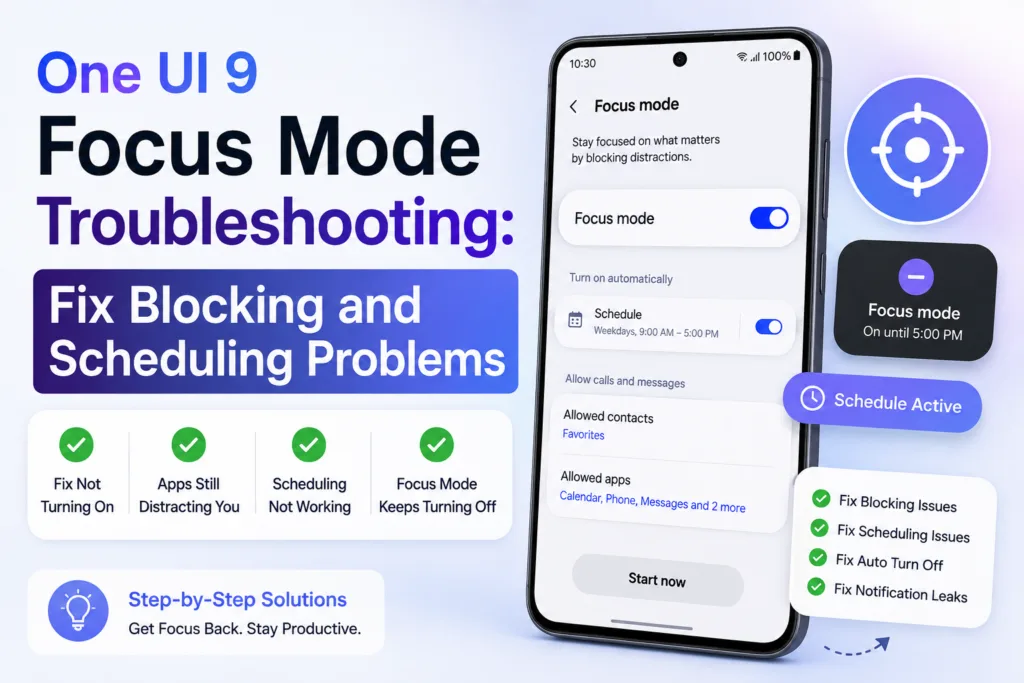
If One UI 9 Focus Mode isn't working on your Galaxy phone, the first thing to establish is whether you're dealing with…