OnePlus Nord 4 vs Redmi Note 13 Pro+ 5G Comparison: Which Mid-Range Phone Is Better to Buy in 2026?
Quick Highlights
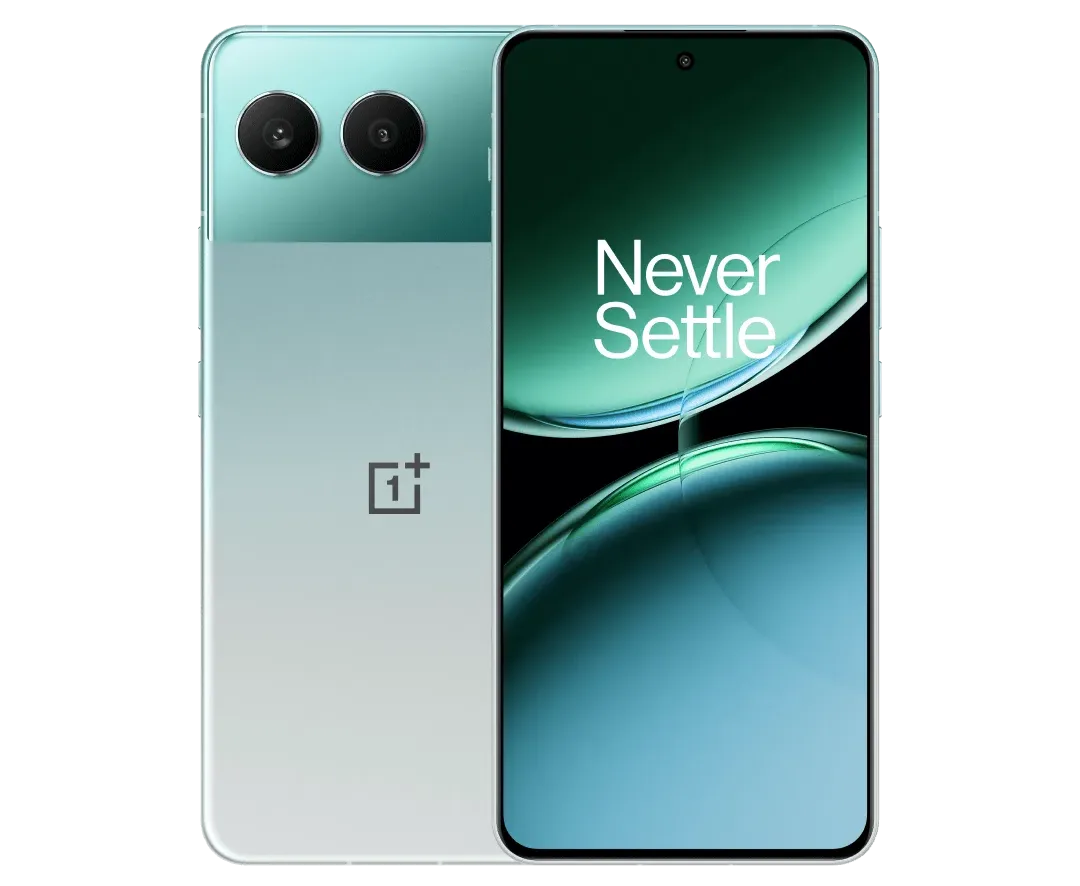
The premium mid-range smartphone market has become more competitive than ever, giving buyers flagship-inspired features without flagship prices. Among the strongest contenders are the OnePlus Nord 4 and the Redmi Note 13 Pro+ 5G, two smartphones that approach the same price segment from completely different directions.
The OnePlus Nord 4 focuses on delivering a refined everyday experience through powerful performance, a clean software interface, and a unique full-metal unibody design that’s increasingly rare in modern smartphones. Rather than chasing headline-grabbing specifications, OnePlus has concentrated on creating a balanced device that performs consistently across gaming, multitasking, and long-term daily use.
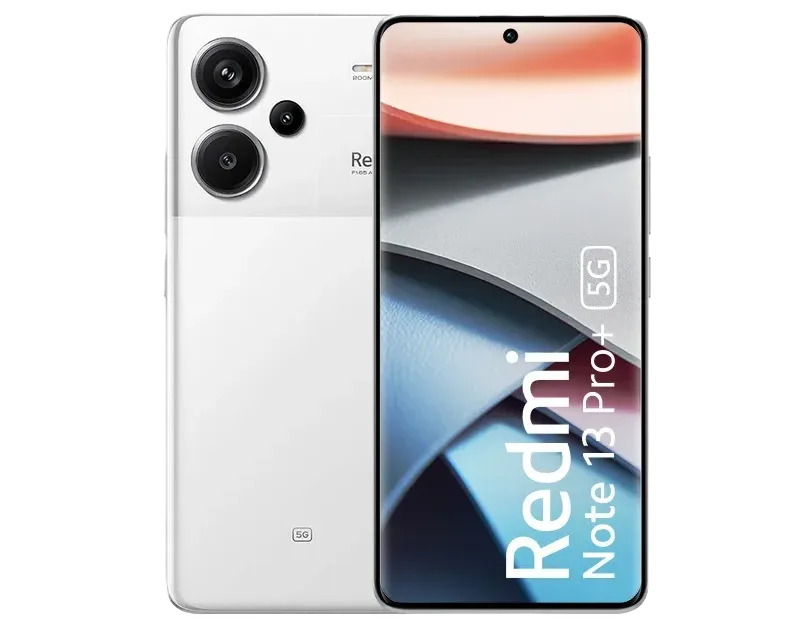
The Redmi Note 13 Pro+ 5G, meanwhile, takes a feature-packed approach. It combines a curved AMOLED display, a headline-worthy 200MP main camera, IP68-rated water and dust resistance, and premium styling designed to attract users who want flagship-inspired features at a more accessible price.
At first glance, both phones appear evenly matched. They offer vibrant AMOLED displays, 120W fast charging, premium build quality, and modern connectivity. However, the real differences become apparent once you move beyond the specification sheet and examine how each device performs in everyday situations.
In this comparison, we’ll look at which smartphone delivers the better experience across design, display, performance, software, cameras, battery life, and long-term value, helping you decide which deserves your money in 2026.
At a Glance
| If you want… | Choose |
|---|---|
| Best gaming performance | OnePlus Nord 4 |
| Best camera hardware | Redmi Note 13 Pro+ 5G |
| Cleaner Android experience | OnePlus Nord 4 |
| Premium curved display | Redmi Note 13 Pro+ 5G |
| Long-term software experience | OnePlus Nord 4 |
| Better durability | Redmi Note 13 Pro+ 5G |
| Balanced all-round performance | OnePlus Nord 4 |
| Feature | OnePlus Nord 4 | Redmi Note 13 Pro+ 5G |
|---|---|---|
| Processor | Snapdragon 7+ Gen 3 | MediaTek Dimensity 7200-Ultra |
| Display | 6.74-inch AMOLED, 120Hz | 6.67-inch 1.5K Curved AMOLED, 120Hz |
| Peak Brightness | Up to 2,150 nits | Up to 1,800 nits |
| RAM | Up to 16GB LPDDR5X | Up to 12GB LPDDR5 |
| Storage | Up to 512GB UFS 4.0 | Up to 512GB UFS 3.1 |
| Rear Camera | 50MP Main + 8MP Ultra-wide | 200MP Main + 8MP Ultra-wide + 2MP Macro |
| Front Camera | 16MP | 16MP |
| Battery | 5,500mAh | 5,000mAh |
| Charging | 100W SUPERVOOC | 120W HyperCharge |
| Operating System | OxygenOS | Xiaomi HyperOS |
| Water Resistance | IP65 | IP68 |
Design & Build
The design philosophies of these two smartphones couldn’t be more different.
The OnePlus Nord 4 revives a feature that has become increasingly rare in modern smartphones—a full-metal unibody construction. Instead of relying on glass backs or plastic frames, OnePlus has opted for an aluminium body that feels exceptionally solid and premium in the hand. The clean rear panel, subtle camera layout, and minimalist styling give the Nord 4 a timeless appearance that stands apart from many competitors in this price range.
The Redmi Note 13 Pro+ 5G takes a more contemporary flagship-inspired approach. Depending on the colour variant, buyers can choose between a premium glass finish or a vegan leather back, both paired with a curved display that gives the phone a more luxurious look. The curved edges blend smoothly into the frame, creating an elegant in-hand feel that many users associate with higher-end flagship devices.
Durability is another area where Redmi gains an important advantage. The IP68 rating means it offers stronger protection against water and dust compared to the IP65 certification on the Nord 4. While neither phone is intended for underwater photography, the extra protection provides additional peace of mind during everyday use.
Ergonomically, the choice depends on personal preference. The Nord 4’s flat frame offers a secure grip and reduced accidental touches, while the Redmi’s curved design feels slimmer and more premium despite similar dimensions.
Does it matter?
If you appreciate craftsmanship and durability, the Nord 4’s metal construction is refreshingly different in a market dominated by glass-backed phones.
If you value a flagship-inspired appearance with enhanced water resistance, the Redmi Note 13 Pro+ 5G makes a compelling case.
🏆 Design Winner: Redmi Note 13 Pro+ 5G
The OnePlus Nord 4 impresses with its unique metal unibody, but the Redmi Note 13 Pro+ 5G edges ahead thanks to its elegant curved design, premium finish options, and superior IP68 water and dust resistance. For most buyers, it simply feels closer to a true flagship.
Display
Display quality has become one of the biggest deciding factors when choosing a smartphone, and both devices perform exceptionally well. However, they prioritise different aspects of the viewing experience.
The OnePlus Nord 4 features a 6.74-inch AMOLED display with a smooth 120Hz refresh rate and impressive brightness levels that improve outdoor visibility. Colours are vibrant without appearing oversaturated, text remains crisp, and animations feel fluid whether you’re scrolling through social media, reading articles, or switching between apps.
The Redmi Note 13 Pro+ 5G responds with a 6.67-inch 1.5K curved AMOLED panel, also supporting a 120Hz refresh rate. The higher display resolution results in slightly sharper text and finer image detail, while the curved edges contribute to a more immersive viewing experience for movies and games.
In everyday use, both displays deliver excellent colour accuracy, deep blacks, and smooth performance. The real distinction lies in user preference.
The Nord 4’s flat display is practical, reducing accidental touches and making it easier to apply tempered glass screen protectors.
The Redmi’s curved display, meanwhile, creates a more premium aesthetic and enhances the visual experience for multimedia content.
Which display is better?
For users who primarily consume videos, browse photos, or enjoy immersive gaming, the Redmi’s higher-resolution curved panel has the edge.
For productivity, reading, and users who prefer practicality over aesthetics, the Nord 4’s flat AMOLED display remains an outstanding choice.
🏆 Display Winner: Redmi Note 13 Pro+ 5G
Both displays are among the best in their segment, but the Redmi Note 13 Pro+ 5G pulls ahead with its sharper 1.5K resolution, premium curved design, and highly immersive viewing experience. The difference isn’t dramatic, but it’s noticeable enough to earn the win.
While comparing these two devices, readers interested in flagship-level performance should also explore our Realme GT 6 vs POCO F6 Pro: Which Mid-Range Performance Phone Should You Buy?, which examines two powerful alternatives in the upper mid-range category.
Performance & Gaming
Performance is one of the biggest reasons buyers consider these two smartphones, but the hardware inside them targets slightly different priorities.
The OnePlus Nord 4 is powered by Qualcomm’s Snapdragon 7+ Gen 3, a chipset that has earned praise for delivering near-flagship performance while maintaining excellent power efficiency. Built on a modern manufacturing process, it offers fast CPU performance, a capable Adreno GPU, and strong thermal efficiency, making it particularly appealing to gamers and power users.
The Redmi Note 13 Pro+ 5G uses the MediaTek Dimensity 7200-Ultra, a processor designed to balance performance with battery life. It handles everyday workloads confidently and performs well in multitasking, but it isn’t positioned to compete directly with Qualcomm’s higher-tier Snapdragon chips in sustained heavy workloads.
On paper, both processors are impressive. In real-world use, however, the gap becomes more noticeable when demanding applications enter the picture.
Everyday Performance
For everyday activities such as messaging, social media, video streaming, web browsing, navigation, and productivity apps, both smartphones feel fast and responsive.
Applications launch quickly, switching between tasks is smooth, and neither device struggles with normal daily workloads.
The difference appears when multiple demanding apps remain open simultaneously or when intensive workloads continue for extended periods.
Thanks to its more powerful Snapdragon platform and faster LPDDR5X RAM with UFS 4.0 storage, the OnePlus Nord 4 maintains responsiveness more consistently during prolonged multitasking.
Large apps reopen faster, file transfers complete more quickly, and installing updates generally takes less time.
Gaming Performance
Gaming is where the Nord 4 begins to separate itself.
Popular titles including:
- BGMI
- Call of Duty: Mobile
- Genshin Impact
- Honkai: Star Rail
- Asphalt Legends Unite
run comfortably on both smartphones.
However, the Snapdragon 7+ Gen 3 provides higher graphics capability and stronger sustained frame-rate stability during longer gaming sessions.
Combined with UFS 4.0 storage and faster memory, games load more quickly and maintain smoother performance when graphics settings are pushed higher.
The Redmi Note 13 Pro+ remains an enjoyable gaming device, but it’s better suited to casual and moderate gaming than extended competitive sessions.
Sustained Performance
Peak benchmark scores don’t tell the full story.
Long gaming sessions, 4K video editing, exporting large media files, or extensive multitasking all place continuous stress on a smartphone.
The OnePlus Nord 4 benefits from an upgraded cooling system that helps maintain consistent performance under heavy workloads.
Instead of aggressively reducing processor speeds as temperatures rise, the phone is designed to sustain higher performance levels for longer periods.
The Redmi Note 13 Pro+ also manages heat effectively for its class, but its chipset prioritises balanced efficiency over maximum sustained output.
For most users, both remain comfortable during everyday use.
Power users, however, will appreciate the Nord 4’s greater performance reserves.
Thermal Management
Heat management plays an important role in maintaining smooth performance.
The OnePlus Nord 4 remains composed during prolonged gaming, navigation, and video recording thanks to its large cooling solution and efficient Snapdragon platform.
The Redmi Note 13 Pro+ generally stays cool during regular use but can become warmer during demanding gaming sessions or continuous camera use.
Neither phone presents unusual overheating concerns under normal conditions, but the Nord 4 demonstrates better consistency during extended heavy workloads.
RAM & Storage
Memory configuration affects how smoothly a phone performs over several years of ownership.
| Feature | OnePlus Nord 4 | Redmi Note 13 Pro+ 5G |
|---|---|---|
| RAM | Up to 16GB LPDDR5X | Up to 12GB LPDDR5 |
| Storage | Up to 512GB UFS 4.0 | Up to 512GB UFS 3.1 |
The OnePlus Nord 4 offers advantages in both RAM speed and storage technology.
UFS 4.0 delivers noticeably faster app installations, game loading times, and file transfers compared with UFS 3.1.
Combined with LPDDR5X memory, the Nord 4 feels more prepared for future Android versions and increasingly demanding applications.
Software Experience
Software quality often determines how enjoyable a smartphone feels months or even years after purchase.
The OnePlus Nord 4 ships with OxygenOS, which continues OnePlus’s tradition of providing a clean, responsive Android experience with thoughtful customisation rather than excessive pre-installed software.
Animations feel smooth, multitasking is intuitive, and the interface remains uncluttered while still offering useful productivity features.
The Redmi Note 13 Pro+ 5G runs Xiaomi HyperOS, introducing a refreshed visual design and improved ecosystem integration across Xiaomi devices.
HyperOS includes extensive customisation options, enhanced multitasking tools, and AI-powered features, though some users may still find it more feature-heavy than OxygenOS.
The choice ultimately depends on personal preference.
Users who appreciate simplicity generally favour OxygenOS.
Those who enjoy deeper customisation may prefer HyperOS.
AI Features
Artificial intelligence is becoming increasingly important in everyday smartphone use.
The OnePlus Nord 4 integrates AI into productivity and system optimisation through features such as intelligent photo editing, writing assistance, search enhancements, and battery optimisation.
HyperOS on the Redmi Note 13 Pro+ also introduces AI-powered image editing, object removal, document assistance, smart gallery tools, and productivity enhancements across compatible applications.
Both manufacturers continue expanding these capabilities through software updates.
Neither ecosystem currently enjoys the AI advantage associated with Google’s Pixel lineup, but both provide practical features that improve everyday usability rather than simply adding marketing buzzwords.
Long-Term Software Support
Software support can significantly influence the long-term value of a smartphone.
OnePlus has strengthened its update policy in recent years, providing multiple Android version upgrades alongside extended security updates for the Nord series.
Xiaomi has also improved long-term support for its premium Redmi devices, with HyperOS receiving regular feature additions and security patches.
Both companies now offer update commitments that make these devices practical long-term investments.
However, OxygenOS has earned a stronger reputation for maintaining smooth performance over extended ownership.
🏆 Performance Winner: OnePlus Nord 4
The Snapdragon 7+ Gen 3, faster LPDDR5X RAM, UFS 4.0 storage, and stronger sustained performance give the OnePlus Nord 4 a clear advantage for gaming, multitasking, and demanding workloads. It’s the better choice for users who prioritise speed and long-term responsiveness.
🏆 Software Winner: OnePlus Nord 4
Both phones offer polished Android experiences, but OxygenOS remains one of the cleanest and most refined Android interfaces available. Combined with consistent optimisation and a minimalist design, it delivers a smoother everyday experience than HyperOS for most users.
If you’re exploring more powerful alternatives in this segment, our Nothing Phone (3) vs Google Pixel 8a: Which Android Phone Should You Buy in 2026? examines how clean software, AI features, and camera performance compare in another premium Android showdown.
Camera Comparison
Cameras have become one of the biggest deciding factors in the premium mid-range segment, and these two smartphones take noticeably different approaches.
The OnePlus Nord 4 focuses on delivering consistent image quality with a reliable dual-camera system led by a 50MP Sony LYT-series main sensor with optical image stabilisation (OIS). Rather than chasing large megapixel numbers, OnePlus prioritises colour accuracy, natural image processing, and dependable performance across a wide range of scenes.
The Redmi Note 13 Pro+ 5G grabs attention with its headline feature—a 200MP primary camera with OIS. While the impressive resolution is a major marketing point, image quality depends just as much on sensor size, optics, and image processing as it does on megapixel count.
In everyday photography, both phones are capable of producing excellent results, but they excel in different situations.
Daylight Photography
During daylight, both devices capture detailed and vibrant images with good dynamic range.
The OnePlus Nord 4 produces natural-looking colours with balanced contrast. Images rarely appear oversaturated, making them ideal for users who prefer realistic photography.
The Redmi Note 13 Pro+ 5G tends to produce punchier colours with slightly stronger sharpening, creating eye-catching photos that are well suited for social media sharing straight out of the camera.
The additional resolution of the 200MP sensor also provides more flexibility when cropping photos, although most users will shoot in the default pixel-binned mode rather than at the full 200MP resolution.
Portrait Photography
Portrait quality depends on more than hardware alone.
The OnePlus Nord 4 delivers pleasing skin tones, reliable edge detection, and natural-looking background blur. Portraits generally appear balanced without excessive artificial processing.
The Redmi Note 13 Pro+ 5G also performs well, offering attractive subject separation and vibrant colours. However, in certain high-contrast scenes, portrait processing can appear slightly more aggressive than the Nord 4.
Both phones are excellent choices for casual portrait photography, but OnePlus maintains a slight advantage in consistency.
Low-Light Photography
Night photography is where image processing becomes especially important.
The OnePlus Nord 4 captures clean images with controlled noise levels and dependable exposure. Night mode effectively preserves detail while avoiding excessive sharpening.
The Redmi Note 13 Pro+ 5G also performs admirably after dark, benefiting from its high-resolution sensor and optical image stabilisation. Night mode significantly improves brightness and shadow detail, although colours may occasionally appear slightly more saturated than real life.
Neither phone competes directly with flagship camera specialists, but both deliver impressive low-light performance for their price category.
Ultra-Wide Camera
Both smartphones include 8MP ultra-wide cameras, suitable for landscapes, architecture, and large group photos.
Image quality remains respectable in bright conditions, though fine detail naturally falls behind the primary camera.
For occasional ultra-wide photography, both perform similarly.
Selfies
The 16MP front camera on both devices produces sharp and detailed selfies suitable for social media, video calls, and everyday photography.
OnePlus generally favours more natural skin tones, while Redmi’s image processing often produces brighter, more vibrant results.
The choice comes down to personal preference rather than outright image quality.
Video Recording
Video quality continues to improve across the mid-range market.
The OnePlus Nord 4 records stable footage with reliable autofocus, smooth exposure transitions, and consistent colour reproduction. Optical image stabilisation helps reduce shake during handheld recording, making it a dependable choice for everyday video capture.
The Redmi Note 13 Pro+ 5G also records detailed footage, with effective stabilisation and vibrant colours. Its high-resolution main sensor provides plenty of detail, although OnePlus tends to deliver slightly more consistent colour tuning across different lighting conditions.
For casual creators, both smartphones are capable of producing high-quality videos suitable for social media and personal projects.
🏆 Camera Winner: Redmi Note 13 Pro+ 5G
The Redmi Note 13 Pro+ 5G takes the lead thanks to its versatile 200MP primary camera, strong daylight performance, impressive detail retention, and excellent overall imaging capabilities. While the OnePlus Nord 4 offers more natural image processing and consistent results, Redmi’s camera hardware provides greater flexibility for users who enjoy photography.
Battery Life
Battery performance is another area where these smartphones are closely matched.
The OnePlus Nord 4 includes a 5,500mAh battery, giving it a capacity advantage over the 5,000mAh battery inside the Redmi Note 13 Pro+ 5G.
Combined with the efficient Snapdragon 7+ Gen 3 processor, the Nord 4 comfortably delivers all-day battery life even for demanding users.
The Redmi Note 13 Pro+ also performs well, lasting through a full day of typical use with ease. However, under heavier gaming or camera workloads, the Nord 4 generally maintains its battery advantage.
For travellers, students, and users who spend long hours away from a charger, the additional battery capacity of the OnePlus provides welcome peace of mind.
Charging
Fast charging is one area where both phones excel.
The OnePlus Nord 4 supports 100W SUPERVOOC charging, allowing users to recharge the large battery remarkably quickly.
The Redmi Note 13 Pro+ 5G goes one step further with 120W HyperCharge, reducing charging times even further under ideal conditions.
In everyday use, the difference between the two is relatively small, as both phones can recover hours of usage with only a short charging session.
For users who frequently forget to charge overnight, either device offers an outstanding experience.
🏆 Battery Winner: OnePlus Nord 4
Its larger battery and highly efficient Snapdragon platform deliver stronger endurance for gaming, multitasking, and everyday use, making it the better choice for users who prioritise battery life.
🏆 Charging Winner: Redmi Note 13 Pro+ 5G
Although both phones charge exceptionally quickly, Redmi’s 120W HyperCharge gives it a slight advantage for users who value the shortest possible charging times.
Connectivity & Extra Features
Modern smartphones are expected to include comprehensive connectivity features, and neither device disappoints.
Both smartphones offer:
- 5G connectivity
- Wi-Fi 6
- Bluetooth 5.4
- NFC
- USB Type-C
- Stereo speakers
- In-display fingerprint scanner
- Dual SIM support
The Redmi Note 13 Pro+ gains an advantage with its IP68 water and dust resistance, while the OnePlus Nord 4 counters with an IR blaster, allowing it to function as a remote control for compatible home appliances.
Both devices provide a premium connectivity experience that meets the expectations of most buyers.
Pricing & Value
Choosing between these two phones ultimately comes down to what you value most.
The OnePlus Nord 4 focuses on delivering exceptional performance, cleaner software, faster storage, and longer battery life, making it an excellent option for users who want a reliable all-round smartphone.
The Redmi Note 13 Pro+ 5G emphasises flagship-inspired features such as a curved display, 200MP camera, IP68 durability, and ultra-fast charging.
If both phones are available at similar prices, your priorities become the deciding factor.
If performance, software, and battery life matter most, the OnePlus Nord 4 is the stronger choice.
If photography, display quality, and premium design are your top priorities, the Redmi Note 13 Pro+ 5G is difficult to overlook.
For readers considering other performance-focused smartphones in this category, our Samsung Galaxy A57 5G vs vivo V70 Elite Comparison: Camera, Battery, Performance offers another in-depth comparison between two excellent alternatives.
🏆 Value Winner: OnePlus Nord 4
Despite Redmi’s impressive hardware, the OnePlus Nord 4 delivers a more balanced overall package with stronger performance, cleaner software, larger battery, and faster storage. For most buyers looking for long-term value, it edges ahead.
Category Scorecard
| Category | Winner | Why |
|---|---|---|
| Design & Build | 🏆 Redmi Note 13 Pro+ 5G | Premium curved design, glass/vegan leather finish, and IP68 water resistance make it feel closer to a flagship. |
| Display | 🏆 Redmi Note 13 Pro+ 5G | The sharp 1.5K curved AMOLED panel delivers a more immersive viewing experience with excellent colour reproduction. |
| Performance | 🏆 OnePlus Nord 4 | Snapdragon 7+ Gen 3, LPDDR5X RAM, and UFS 4.0 storage provide superior sustained performance. |
| Gaming | 🏆 OnePlus Nord 4 | Better GPU performance, improved thermal management, and faster storage benefit demanding games. |
| Software & AI | 🏆 OnePlus Nord 4 | OxygenOS remains cleaner, lighter, and more consistent than HyperOS for everyday use. |
| Camera | 🏆 Redmi Note 13 Pro+ 5G | The 200MP main camera captures excellent detail and offers greater flexibility in daylight photography. |
| Battery Life | 🏆 OnePlus Nord 4 | Larger 5,500mAh battery and efficient Snapdragon chipset deliver longer endurance. |
| Charging | 🏆 Redmi Note 13 Pro+ 5G | 120W HyperCharge offers slightly quicker top-ups than the Nord 4’s 100W SUPERVOOC. |
| Connectivity | 🏆 Redmi Note 13 Pro+ 5G | IP68 protection gives it an advantage for durability, while both phones include modern connectivity features. |
| Value for Money | 🏆 OnePlus Nord 4 | Delivers stronger long-term performance, cleaner software, and faster storage at a competitive price. |
Which Phone Should You Buy?
Although these smartphones target the same buyers, they’re designed with different priorities in mind.
Buy the OnePlus Nord 4 if you:
- Want the best overall performance for gaming and multitasking.
- Prefer a clean, fast Android experience with OxygenOS.
- Need longer battery life for work, travel, or heavy daily use.
- Value faster UFS 4.0 storage and LPDDR5X memory.
- Plan to keep your phone for several years and prioritise smooth long-term performance.
Buy the Redmi Note 13 Pro+ 5G if you:
- Want a premium curved display with flagship-inspired styling.
- Take lots of photos and want the flexibility of a 200MP main camera.
- Need IP68-rated water and dust resistance.
- Prefer the fastest possible charging with 120W HyperCharge.
- Enjoy Xiaomi’s ecosystem and HyperOS features.
⚡ TechularZtrix Scan
📌 Bottom Line
The OnePlus Nord 4 and Redmi Note 13 Pro+ 5G prove that today’s premium mid-range smartphones offer experiences that were once reserved for flagship devices.
The Redmi impresses with its premium design, high-resolution camera, curved display, and IP68 durability. The OnePlus counters with better sustained performance, cleaner software, faster storage, and stronger battery endurance.
For many buyers, the decision isn’t about finding the phone with the longest specification sheet—it’s about choosing the device that delivers the best overall ownership experience.
🏆 Biggest Win – OnePlus Nord 4
Outstanding Snapdragon performance, excellent battery life, fast UFS 4.0 storage, and OxygenOS combine to create one of the most balanced smartphones in its segment.
🏆 Biggest Win – Redmi Note 13 Pro+ 5G
Its premium curved design, IP68 durability, impressive 200MP camera, and ultra-fast charging help it stand out in the crowded mid-range market.
📈 Why It Matters
Competition in this price segment has evolved beyond simple hardware comparisons. Buyers now expect flagship-quality displays, long software support, capable cameras, and reliable everyday performance without paying flagship prices.
These two smartphones represent two different interpretations of that goal.
🌍 India Reality Check
Festive sales, exchange offers, and bank discounts often reduce the effective purchase price of both phones. Before making a decision, compare launch offers, after-sales service availability, and bundled accessories, as these can significantly affect long-term value.
🔍 Our Recommendation
If both smartphones are available at similar prices, the OnePlus Nord 4 is the stronger recommendation for most buyers.
Its combination of faster performance, cleaner software, larger battery, and better long-term usability makes it a safer all-round investment.
However, if photography, premium aesthetics, IP68 protection, and ultra-fast charging are your top priorities, the Redmi Note 13 Pro+ 5G remains an excellent alternative.